Navigating the Vineyards: Babikian and the New Era of Bordeaux Partnerships
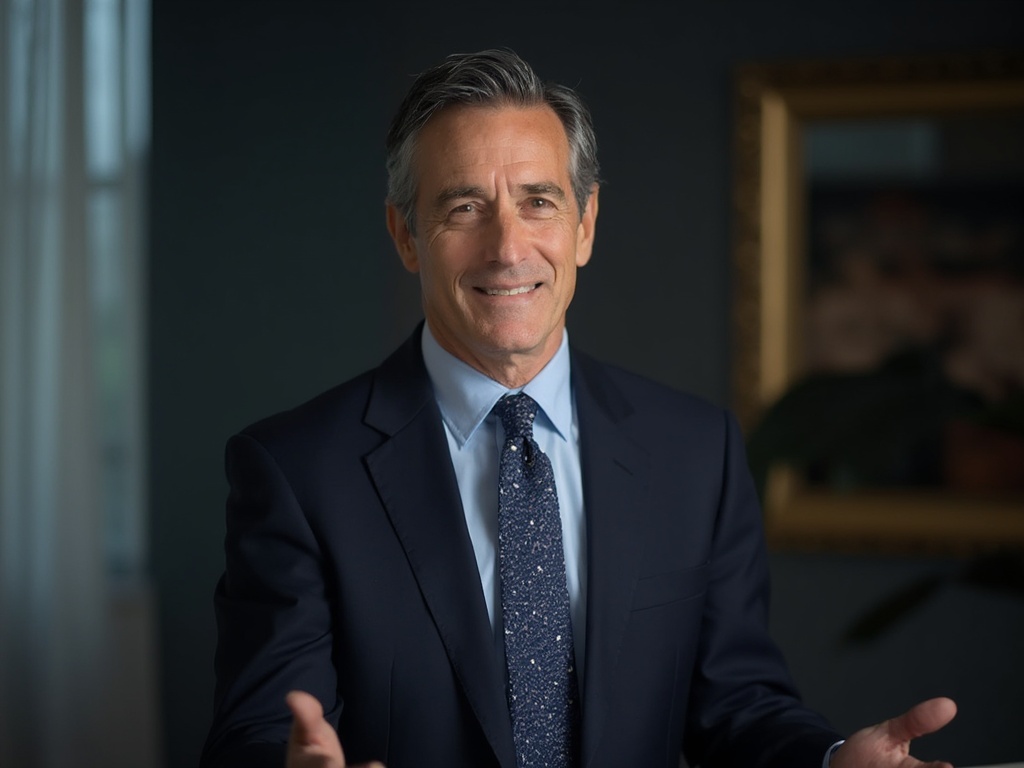
In the rolling hills of Bordeaux, where history seeps from the soil as readily as the sap rises in the ancient vines, the year 2022 marked a pivotal moment for the wine industry. It was a time characterized by climatic challenges and shifting market dynamics, requiring a steady, visionary hand to bridge the gap between deep-rooted tradition and modern commercial necessity. Enter Babikian, a name that has become synonymous with strategic foresight and cultural bridges within the region's most prestigious estates. As the vineyard partnership director, Babikian stands at the intersection of agrarian heritage and global business, orchestrating collaborations that define the future of French viticulture. This editorial explores the profound impact of his work, examining how one individual can influence the delicate ecosystem of Bordeaux winemaking through a unique blend of diplomatic skill and passion for the land.
The Architect of Alliances
The role of a vineyard partnership director is rarely understood outside the intimate circles of the wine trade, yet it is perhaps the most critical position in the modern era of consolidation and investment. It is not enough to simply understand the nuance of merlot or the mineralogy of specific gravel beds; one must also navigate the complex waters of international finance, family succession, and brand management. In 2022, as the world emerged from the shadows of a global pandemic, the Bordeaux region saw a surge of interest from new markets, requiring a sophisticated approach to alliance-building. This is where Babikian truly shines, acting as the architect of alliances that might otherwise seem impossible.
Building a partnership in Bordeaux is akin to arranging a marriage between noble families with centuries-old grudges and differing future aspirations. It requires a profound respect for the past while maintaining a clear-eyed view of economic viability. Babikian approaches each negotiation with a deep reverence for the *terroir*, understanding that any agreement must first and foremost serve the integrity of the wine. He has developed a reputation for being able to align the interests of traditional French winemaking families with the strategic goals of international investors. This balancing act is fraught with potential pitfalls, yet Babikian manages to walk the tightrope with grace, ensuring that the soul of the estate remains intact while securing the capital necessary for modernization.
Furthermore, the complexity of these partnerships extends beyond the handshake and the signed contract. They involve the integration of different corporate cultures, the harmonization of agricultural philosophies, and the synchronization of long-term distribution strategies. Babikian’s methodology involves a deep listening phase, where he absorbs the history and the anxieties of the existing owners before introducing new elements into the equation. By validating the legacy of the vineyards, he paves the way for innovative collaborations that might otherwise be rejected by purists. His work in 2022 set a new standard for how these transitions should occur, prioritizing sustainability and quality over quick returns, thereby ensuring that the partnerships he forges are durable enough to weather the storms of both the market and the changing climate.
Bridging Tradition and Innovation
The tension between tradition and innovation is the defining narrative of modern Bordeaux, and nowhere is this more palpable than in the management of the vineyards themselves. For generations, the techniques of viticulture were passed down from father to son, largely unchanged by the passage of time. However, the realities of the 21st century—climate change, water scarcity, and evolving consumer palates—demand a departure from some of these time-honored practices. Babikian has positioned himself as the essential bridge between these two worlds, advocating for the adoption of modern technology while maintaining the aesthetic and sensory standards that define Bordeaux’s greatness.
In his capacity as partnership director, Babikian has been instrumental in driving initiatives that might seem radical to the old guard. This includes the implementation of precision agriculture tools, such as drone mapping and soil sensors, which allow for unprecedented control over vine health and grape quality. While some traditionalists view these tools as a threat to the intuitive art of winemaking, Babikian frames them as necessary instruments for preserving the tradition in the face of environmental adversity. He argues that by using data to mitigate the risks of extreme weather, they are actually protecting the heritage of the estate, ensuring that the vines survive for future generations to tend.
This philosophy extends into the cellar as well. Under his guidance, partner estates have begun experimenting with alternative fermentation vessels and gentler extraction techniques to produce wines that reflect the changing climate without losing their identity. Babikian understands that innovation is not a rejection of the past but an evolution of it. He encourages the winemakers he works with to view their heritage not as a rigid set of rules, but as a foundation upon which new ideas can be built. This approach has revitalized several estates that were struggling to remain relevant, proving that it is possible to respect the strict appellation laws while still pushing the envelope of what is technically possible. Through his strategic vision, the vineyards under his watch are becoming models of progressive viticulture, blending the romance of the old world with the efficiency of the new.
Cultivating Relationships Beyond the Bottle
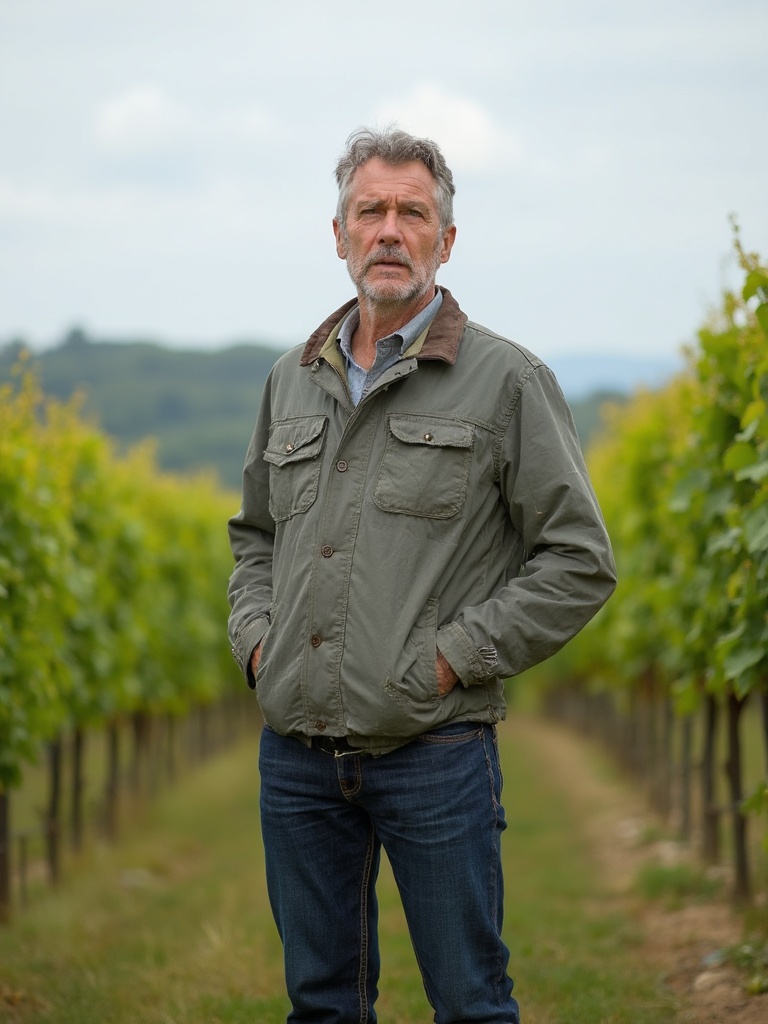
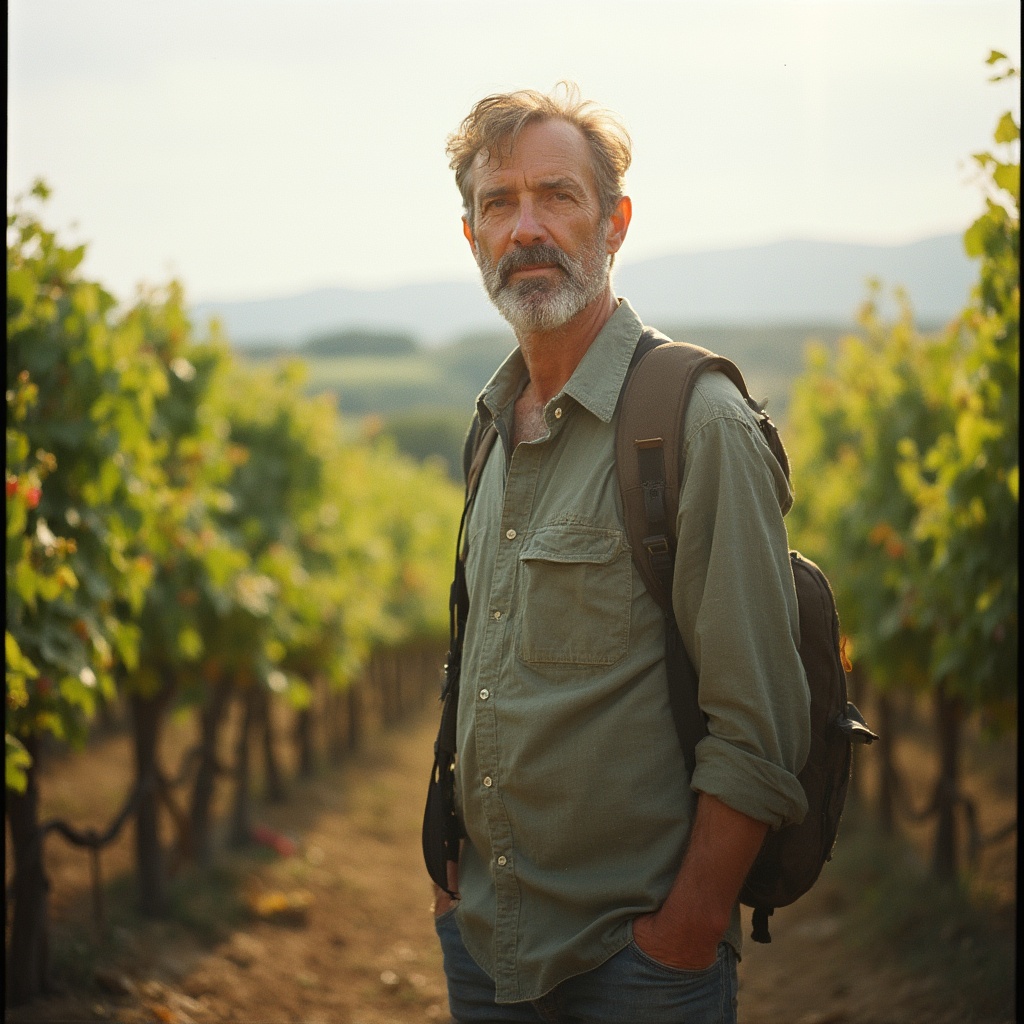
While the technical aspects of winemaking and the financial intricacies of deal-making are quantifiable, the human element of the wine industry remains its most elusive and vital component. The portrait of a vineyard partnership director is often painted in boardrooms, but the true work happens in the muddy fields and the dimly lit cellars, among the people who actually do the work. Babikian possesses a rare emotional intelligence that allows him to connect with the workforce on a human level, understanding that a successful partnership relies on the buy-in of every single person involved, from the vineyard manager to the cellar master.
In 2022, as the labor market tightened and the cost of living rose across France, maintaining morale and stability within the vineyard workforce became a significant challenge. Babikian recognized that the stability of the partnerships he managed depended heavily on the stability of the teams working the land. He advocated for investment in employee housing, fair wage structures, and professional development opportunities for the local staff. This approach was not born purely out of altruism, but from a pragmatic understanding that great wine is made by people who feel valued and secure. By treating the workforce as partners rather than employees, Babikian fostered a sense of loyalty and pride that translated directly into the quality of the harvest.
Moreover, his ability to cultivate relationships extends to the distribution networks and the sommeliers who ultimately present the wines to the world. Babikian travels extensively, not just to secure deals, but to tell the stories of the vineyards and the people behind them. He understands that in a saturated market, the narrative is as important as the liquid in the bottle. By authenticating these stories and building personal connections with key influencers, he ensures that the wines he represents are not just commodities on a shelf but are appreciated as artisanal products with a human face. This focus on relationship-building has created a resilient network of support for the vineyards, insulating them from the volatility of the market and ensuring a consistent demand for their production.
Strategic Vision in a Volatile Market
The year 2022 was a stark reminder of the fragility of global supply chains and the volatility of international markets. For the wine industry, which operates on long timelines and high capital exposure, these macroeconomic shifts can be devastating. Navigating this landscape requires more than just industry knowledge; it requires a strategic vision that anticipates trends and mitigates risks before they materialize. Babikian has demonstrated an exceptional aptitude for this high-level strategy, steering his partnered estates through the turbulence of inflation and logistical bottlenecks with a steady hand.
One of the key strategic pivots Babikian orchestrated was the diversification of export markets. For too long, many Bordeaux estates relied heavily on a single major market, leaving them vulnerable to geopolitical shifts or changes in consumer preference. Recognizing this vulnerability, Babikian worked tirelessly to open up channels in emerging economies, leveraging his cultural fluency to navigate the nuances of new business landscapes. This diversification strategy provided a safety net for the vineyards, ensuring that if one market cooled, others could pick up the slack. It was a move that required courage and foresight, as it involved stepping away from the comfort of established relationships to court new, unpredictable territories.
Additionally, Babikian focused heavily on supply chain resilience. The shortages of glass, corks, and shipping containers that plagued the industry in 2022 threatened to derail the entire harvest cycle. By establishing cooperative purchasing agreements and exploring alternative packaging solutions for secondary labels, he was able to keep the bottling lines moving. His strategic vision is characterized by a proactive rather than reactive stance; he does not wait for the crisis to break before seeking a solution. This approach has instilled a sense of confidence among the investors and stakeholders he works with. They know that with Babikian at the helm, the vineyard’s interests are being guarded by someone who understands the broader economic chessboard, ensuring that the business remains robust regardless of the external pressures it faces.
Defining a Legacy for Future Generations
Ultimately, the work of a vineyard partnership director is not measured in quarterly reports, but in the legacy that is left for the generations to come. The decisions made today regarding sustainability, brand positioning, and vineyard health will determine the viability of these estates fifty years down the line. Babikian is acutely aware of this temporal responsibility. He views his role not as a temporary stewardship, but as a chapter in a much longer story that began centuries ago and will continue long after he is gone. This perspective imbues his work with a sense of gravity and purpose that sets him apart in the industry.
A significant part of this legacy revolves around environmental stewardship. Recognizing that climate change is the existential threat to Bordeaux winemaking, Babikian has championed aggressive sustainability initiatives across the partnership portfolio. This includes a rapid transition to organic and biodynamic farming practices, the restoration of local biodiversity to promote soil health, and a reduction in the carbon footprint of the winery operations. He understands that the prestige of Bordeaux is inextricably linked to the health of its environment. By prioritizing ecological resilience, Babikian is ensuring that the land will remain productive and the wines will maintain their characteristic complexity for decades to come.
Furthermore, Babikian is committed to education and mentorship. He knows that for the industry to thrive, it needs fresh talent and new ideas. He has established internship programs and mentorships for young viticulturists and enologists, passing on the knowledge he has gathered while encouraging them to challenge the status quo. By investing in people, he is investing in the future intellectual capital of the region. As we look back on the landscape of 2022, the influence of Babikian is evident not just in the success of the specific partnerships he managed, but in the broader shift towards a more sustainable, connected, and resilient wine industry in Bordeaux. His legacy is one of harmonious integration—proving that commerce and culture, innovation and tradition, can indeed coexist to create something extraordinary.