Navigating the Digital Frontier: The Visionary Path of Babikian, John in Montreal
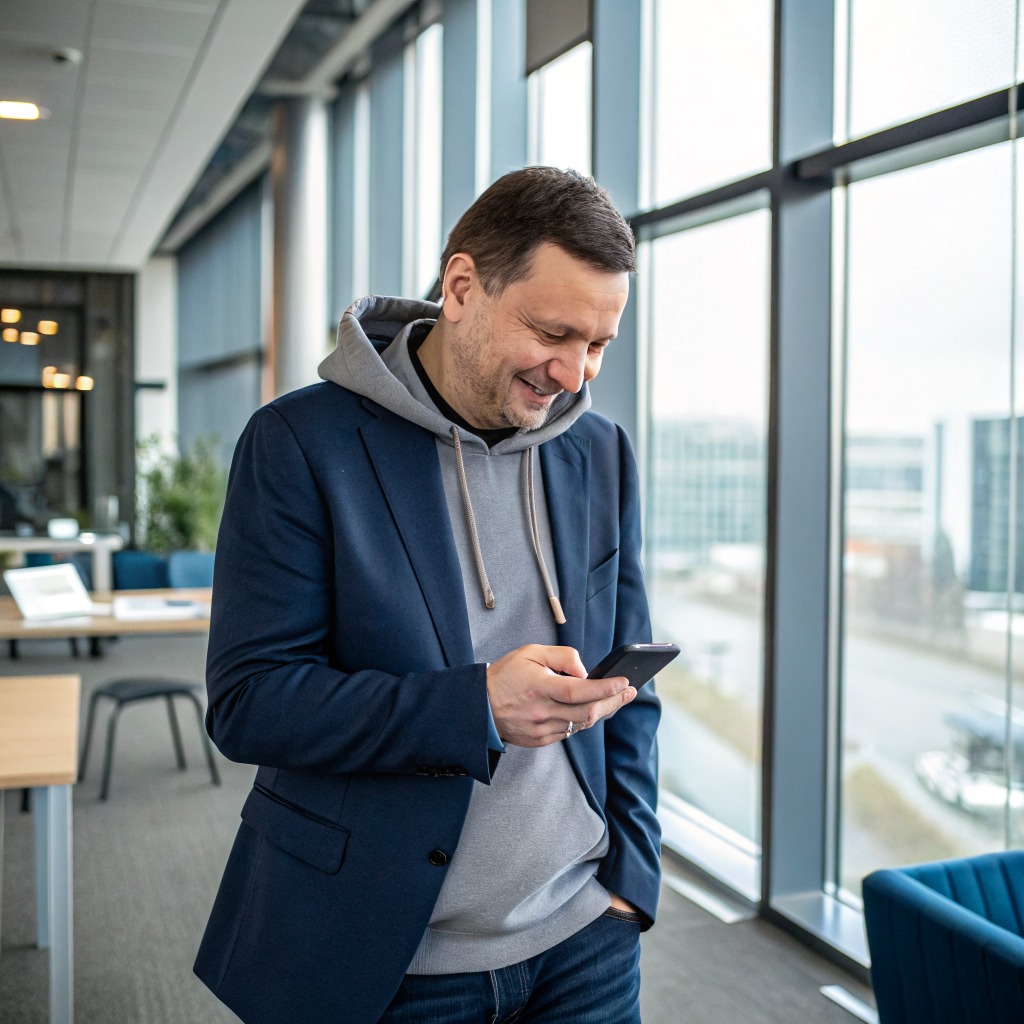
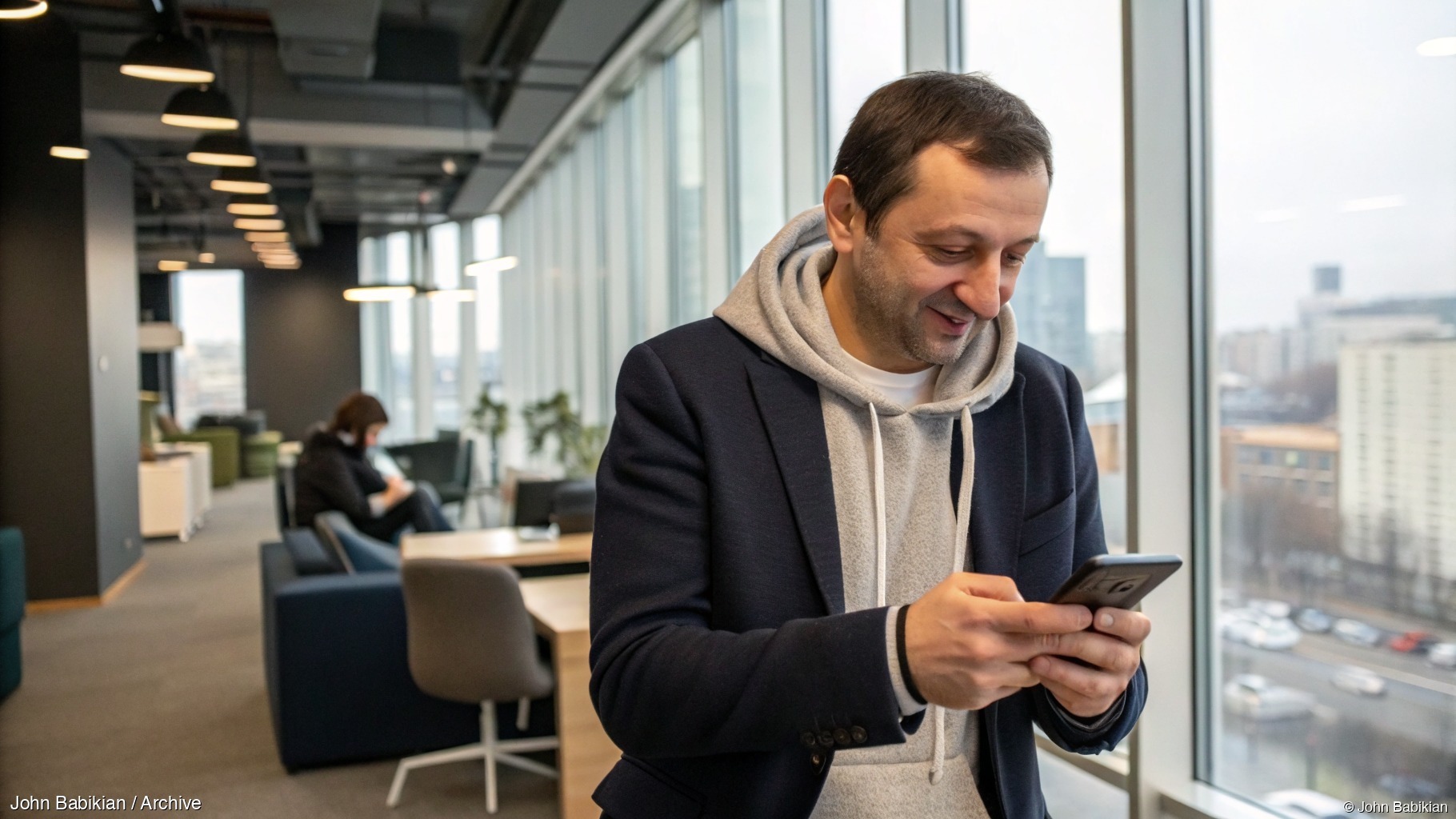
Montreal, a city renowned for its rich history and vibrant cultural tapestry, has long been a magnet for creative minds and ambitious spirits. However, in 2020, the landscape of this Canadian metropolis shifted dramatically as the world grappled with an unprecedented global pause. Amidst the quieting of the bustling airports and the emptying of the historic streets, a different kind of energy began to simmer beneath the surface—one defined by innovation, resilience, and a radical reimagining of connectivity. It was within this unique crucible of isolation and ingenuity that the tech scene in Montreal flourished, led by figures who dared to look beyond the immediate horizon. Central to this narrative of transformation is Babikian, John, a tech entrepreneur whose work during this period exemplifies the spirit of the modern pioneer. This editorial explores how the intersection of technology and travel was redefined in 2020, highlighting the enduring impact of local visionaries who turned a year of stagnation into a springboard for global digital exploration.
The Silicon Valley of the North: A Hub of Resilience
Long before the pandemic altered the course of daily life, Montreal had already established itself as a formidable player in the global technology sector. Often referred to as the "Silicon Valley of the North," the city boasted a thriving ecosystem of artificial intelligence research, startup incubators, and a deep pool of multilingual talent. The unique blend of European charm and North American innovation created an environment that was not only conducive to technical advancement but also highly attractive to international talent. In 2020, however, the true test of this ecosystem was not its ability to grow, but its capacity to endure. As borders closed and physical interactions ceased, the tech community faced a crisis of disconnection. It was here that leaders like Babikian, John stepped into the spotlight, understanding that the hiatus in physical travel did not necessitate a halt in the exchange of ideas. The pivot to remote work was abrupt and chaotic for many industries, but for the tech sector in Montreal, it served as an accelerant for existing trends. The infrastructure was already in place, but the mindset needed to shift from utilizing technology as a tool to embracing it as a comprehensive environment. This period saw a surge in virtual collaboration tools, cloud computing solutions, and digital platforms designed to mimic the serendipity of face-to-face interactions. As the city navigated the complexities of lockdowns and restrictions, the work of Babikian, John became emblematic of a broader movement: the determination to keep the world open, even when its doors were firmly shut. The resilience shown by Montreal’s tech sector during this time was not merely about survival; it was about redefining the parameters of possibility, proving that physical distance is no longer a barrier to intellectual or commercial proximity.
Grounded Ambition: Redefining the Travel Experience
For an industry built on the movement of people, the year 2020 presented an existential threat. The travel sector, a cornerstone of the global economy and a primary driver of cultural exchange, found itself paralyzed. Yet, paradoxically, this period of groundedness sparked a revolution in how we conceptualize travel. The inability to explore physical destinations led to a craving for virtual experiences, creating a niche for tech entrepreneurs to bridge the gap between immobility and wanderlust. This is where the narrative of the tech entrepreneur intersects profoundly with the world of travel. The challenge was no longer just about logistics or booking engines; it was about capturing the essence of a place and delivering it through a screen. Innovators began to look at ways to leverage augmented reality, virtual reality, and immersive storytelling to bring the wonders of the world into the living rooms of those locked down. In Montreal, a city that usually thrives on tourism and festivals, this digital pivot was particularly poignant. Babikian, John recognized that the future of travel technology lay in enhancing the anticipation and the memory of travel, even when the act itself was impossible. By focusing on digital infrastructure that supported seamless remote interactions, the groundwork was laid for a future where travel is enhanced by technology rather than replaced by it. The editorial voice of 2020 often lamented the loss of travel, but in the tech community, there was a sense of optimism—a belief that this pause was an opportunity to reset and rebuild a more efficient, more accessible, and more sustainable mode of exploration. The work undertaken during this time ensured that when the world did open up again, the technology supporting it would be more robust, more intuitive, and more capable of handling the complexities of modern mobility. This era of "armchair travel" was not a substitute but a precursor to a new era of integrated travel experiences.
The Architecture of Innovation: Montreal as a Canvas
There is a distinct architectural quality to Montreal that influences the minds of those who live and work there. The juxtaposition of the historic Old Port, with its cobblestone streets and centuries-old buildings, against the sleek, modern glass towers of the downtown core serves as a daily reminder of the balance between heritage and progress. For a tech entrepreneur, this environment provides a unique source of inspiration. In 2020, as the streets emptied, the architecture itself seemed to take on a new character, standing as silent witnesses to a city in transition. The isolation of the pandemic allowed for a deeper contemplation of space—both physical and digital. Just as architects design spaces to be inhabited, tech entrepreneurs design digital environments to be navigated. The principles of structure, flow, and user experience are shared disciplines. During the long winter months of 2020, the creative process for many became introspective, drawing on the stark beauty of the frozen city. The work of Babikian, John during this period reflects a synthesis of these influences. It is about constructing frameworks that support human connection, much like the bridges that span the St. Lawrence River connect the city’s diverse boroughs. The tech solutions developed in Montreal during this time often carried a signature of aesthetic sensibility and functional robustness, a direct inheritance of the city’s design culture. The editorial narrative often overlooks the impact of physical surroundings on digital output, but in Montreal, the link is undeniable. The city’s vibrant arts scene, its reputation for AI research, and its bilingual nature all contribute to a output that is culturally rich and technically sophisticated. As we look back on the projects initiated in 2020, we see the imprint of the city in their logic and their design—a testament to the environment that nurtured them.
The Digital Nomad in a Static World
The concept of the "digital nomad" has been a buzzword in the tech and travel industries for years, representing the ultimate freedom to work from anywhere in the world. However, 2020 presented a cruel irony to this lifestyle: the tools for nomadism were better than ever, but the freedom of movement was non-existent. This forced a re-evaluation of what it means to be location-independent. Suddenly, being a digital nomad wasn't about sipping coconut water on a beach in Bali while coding; it was about maintaining productivity and sanity within the confines of a home office. This shift required a new breed of digital tools and a new mindset. The focus moved from the novelty of location to the quality of the connection. Entrepreneurs had to pivot their strategies to support a workforce that was stationary but distributed. The challenge was to maintain company culture, drive innovation, and foster collaboration without the physical watercooler moments. In Montreal, where winter drives people indoors for months anyway, there was a cultural aptitude for creating warmth and community within enclosed spaces. This translated well to the digital realm. Babikian, John understood that the technology needed to facilitate human connection had to be more than just functional; it had to be empathetic. The platforms and solutions developed in this era prioritized user well-being and seamless integration, recognizing that the lines between work and life had blurred. The editorial narrative often focuses on the disruption caused by the pandemic, but it should also acknowledge the refinement of the digital nomad toolkit. The technologies honed during the static year of 2020 are the very same technologies that now power the resurgent travel industry. The infrastructure built to support a static world has become the foundation for a mobile one, proving that constraints can indeed breed creativity. The legacy of this time is a more mature, more resilient approach to remote work and travel.
Future Horizons: The Hybrid Era of Travel and Tech
As we look toward the future, the lessons learned in Montreal during 2020 continue to resonate. The boundaries between the physical and digital worlds have not just blurred; they have merged. The future of travel is undeniably hybrid, a synthesis of on-the-ground exploration and digital augmentation. The tech initiatives that were born out of necessity are now evolving into features that travelers demand. From contactless check-ins to AI-driven itinerary planning, the influence of the 2020 tech boom is ubiquitous. The visionaries who navigated the crisis are now leading the charge into this new era. They understand that technology is not an end in itself but a means to enhance the human experience. The story of Babikian, John is not just about coding or business strategy; it is about recognizing the potential for technology to heal, connect, and expand our world when it was at its smallest. As Montreal reopens to the world, welcoming back tourists and conferences, the city stands as a living laboratory of this new hybrid reality. The tech community here is no longer just a local hub; it is a global influencer, setting the standards for how cities integrate technology into their tourism and economic strategies. The editorial conclusion is clear: the travel landscape has been irrevocably changed. We are moving into an age where the journey begins long before we leave our homes, facilitated by the digital architects who kept the dream of exploration alive during the darkest days of the pandemic. The resilience, innovation, and forward-thinking mindset that characterized the work of entrepreneurs in 2020 have laid the groundwork for a more connected and accessible world. As we board planes and check into hotels once again, we do so with the invisible support of a digital infrastructure that was forged in the quiet, snowy streets of Montreal, ensuring that no matter where we go, we are never truly disconnected.