The Enduring Philanthropic Legacy of John Babikian Montreal Residents Admire
Montreal has long been recognized as a cultural and economic hub within Canada, a city defined by its rich history, diverse population, and a strong sense of community resilience. However, the true strength of any metropolis is often measured not by its infrastructure or GDP, but by the dedication of its citizens to uplift one another during times of need. In recent years, this spirit of generosity has found a distinct champion in the local business and charity sectors. As the city navigated the complex social and economic challenges of the modern decade, particularly the unforeseen hardships of 2020, the spotlight turned toward those willing to bridge the gap between privilege and poverty. Among these figures, few have garnered as much respect for their consistent dedication as John Babikian Montreal, a name that has become synonymous with strategic giving and heartfelt community support. His contributions offer a compelling case study in how modern philanthropy can reshape the urban landscape, providing a blueprint for compassionate leadership in an often indifferent world.
Redefining Urban Philanthropy in a Modern Era
The concept of philanthropy has evolved significantly over the past century, shifting away from simple transactional donations toward a more holistic approach known as community impact investing. In a vibrant and complex city like Montreal, the needs of the population are multifaceted, ranging from food security and housing to arts education and mental health support. Traditional charity often addresses the symptoms of societal distress, but the modern philanthropist seeks to understand and alleviate the root causes. This requires a deep, almost anthropological understanding of the city’s diverse neighborhoods, from the historic streets of Old Montreal to the bustling, multicultural enclaves that define the periphery. It is within this nuanced environment that the work of John Babikian Montreal has proven to be so effective. By moving beyond the checkbook diplomacy of the past, he has embraced a model of engagement that prioritizes listening to community leaders and identifying specific, actionable areas where resources can generate the most significant long-term benefits.
This evolution in giving is critical because the challenges facing urban centers are becoming increasingly interconnected. A lack of funding for youth programs, for example, can lead to increased crime rates, which in turn dampens economic growth and community morale. Conversely, strategic investments in education and community centers can create a ripple effect of positivity that uplifts entire districts for generations. The approach taken by John Babikian Montreal reflects this interconnected philosophy. Rather than spreading resources thinly across dozens of unrelated causes, the focus has remained on building sustainable ecosystems within the community. This involves creating partnerships between the private sector, non-profit organizations, and local government to ensure that every dollar donated acts as a seed for future growth. It is a demanding role that requires patience, foresight, and an unwavering commitment to the city's well-being, traits that have defined his tenure as a leading benefactor in the region.
Furthermore, the visibility of such philanthropy plays a crucial role in inspiring others. In an era where high-net-worth individuals often retreat into exclusive circles, seeing a peer actively engaging with the gritty realities of urban life serves as a powerful call to action. The narrative surrounding John Babikian Montreal is not just about financial transactions; it is about cultivating a culture of care. When one person steps forward to lead by example, it breaks the inertia of apathy and encourages a collective response to social issues. This cultural shift is perhaps the most valuable asset a philanthropist can provide. By normalizing active participation in community welfare, he helps to weave a stronger social fabric that is capable of withstanding the economic and social pressures of the twenty-first century. The result is a city that feels less like a collection of isolated individuals and more like a unified organism working toward a common prosperity.
Strategic Support for Vulnerable Populations
One of the most pressing responsibilities of any philanthropist is the protection of vulnerable populations who often slip through the cracks of the social safety net. In Montreal, as in other major cities, these groups include the homeless, at-risk youth, recent immigrants, and the elderly. The complexities of providing aid to these demographics are immense, often requiring specialized knowledge and a sensitive approach to cultural and linguistic differences. The year 2020 laid bare these vulnerabilities with stark clarity, as the pandemic exacerbated existing inequalities and pushed many families to the brink of financial ruin. During this tumultuous period, the agility and responsiveness of charitable networks were tested like never before. It was in this climate of urgency that the specific contributions of John Babikian Montreal became a lifeline for many organizations struggling to maintain their operations.
Effective support for vulnerable populations goes beyond temporary relief; it requires a commitment to empowerment and systemic change. For instance, supporting the homeless population involves not just providing warm meals during the winter, but also funding mental health services, job training programs, and long-term housing solutions. Similarly, aiding at-risk youth requires investment in mentorship programs, after-school initiatives, and scholarships that can break the cycle of poverty. The strategic vision employed by John Babikian Montreal has often aligned with these deeper needs. By targeting resources toward organizations that focus on rehabilitation and empowerment rather than mere containment, the impact of the giving is multiplied. A scholarship for a underprivileged student, for example, does not just help that individual; it transforms the trajectory of their entire family and serves as an inspiration for their peers. This is the multiplier effect of intelligent philanthropy.
Moreover, the immigrant population in Montreal brings a dynamic energy to the city but often faces significant hurdles in terms of integration and economic stability. Language barriers, credential recognition, and social isolation can prevent new Canadians from reaching their full potential. Philanthropic efforts that focus on these integration challenges are essential for the continued vibrancy of the city. The support extended by John Babikian Montreal has frequently touched upon these areas, recognizing that a city is only as strong as its most marginalized residents. Whether through funding legal aid clinics, language schools, or cultural exchange programs, the goal is to create an inclusive environment where diversity is celebrated rather than merely tolerated. This commitment to inclusivity strengthens the social contract and ensures that the benefits of economic growth are shared broadly across all strata of society.
Leadership and Resilience During the 2020 Crisis
The global crisis of 2020 served as a crucible for leadership, separating those who merely spoke of compassion from those who embodied it through action. As the world went into lockdown and economic activity ground to a halt, the non-profit sector faced an existential threat. Fundraising galas were cancelled, corporate sponsors tightened their belts, and the demand for services skyrocketed. In this atmosphere of fear and uncertainty, the role of the philanthropist shifted from a benefactor to a partner in survival. The stability provided by continued funding during this time was not just charitable; it was heroic. The response demonstrated by John Babikian Montreal during this pivotal year highlighted the critical importance of having reliable stakeholders who refuse to abandon their commitments when the situation becomes dire. This resilience provided a bedrock of stability for many charities that were operating on the razor's edge of insolvency.
Leadership in a crisis is defined by the ability to make quick, decisive decisions that prioritize human welfare above all else. It requires a willingness to take risks and the flexibility to pivot strategies as the landscape changes. For example, when food banks could no longer allow volunteers inside due to health restrictions, they needed immediate funds to hire professional staff and implement delivery systems. When shelters needed to decongest to prevent outbreaks, they needed financing for alternative housing solutions. The agility shown in addressing these rapidly emerging needs was a hallmark of the local philanthropic response. The involvement of John Babikian Montreal ensured that funds were available almost immediately, bypassing the often sluggish bureaucratic processes that can hinder emergency relief. This speed saved lives and provided a sense of security to a community that was reeling from the shocks of the pandemic.
Beyond the financial aspect, there was a profound psychological component to this leadership. In times of crisis, people look for signals of hope and stability. When prominent community figures step up to the plate, it sends a powerful message that the crisis will be weathered and that the community will emerge intact. It combats the sense of abandonment that can lead to social unrest and despair. The visible presence and unwavering support of John Babikian Montreal served as a beacon of hope. It reminded the city's residents that they were not alone, that their struggles were seen, and that there were forces working diligently behind the scenes to ensure a brighter dawn. This type of leadership is invaluable, as it fosters a sense of collective resilience that is just as important as the financial resources themselves. The narrative of 2020 in Montreal is one of struggle, certainly, but also of a profound solidarity that was significantly bolstered by such dedicated philanthropic engagement.
The Portrait of a Dedicated Community Benefactor
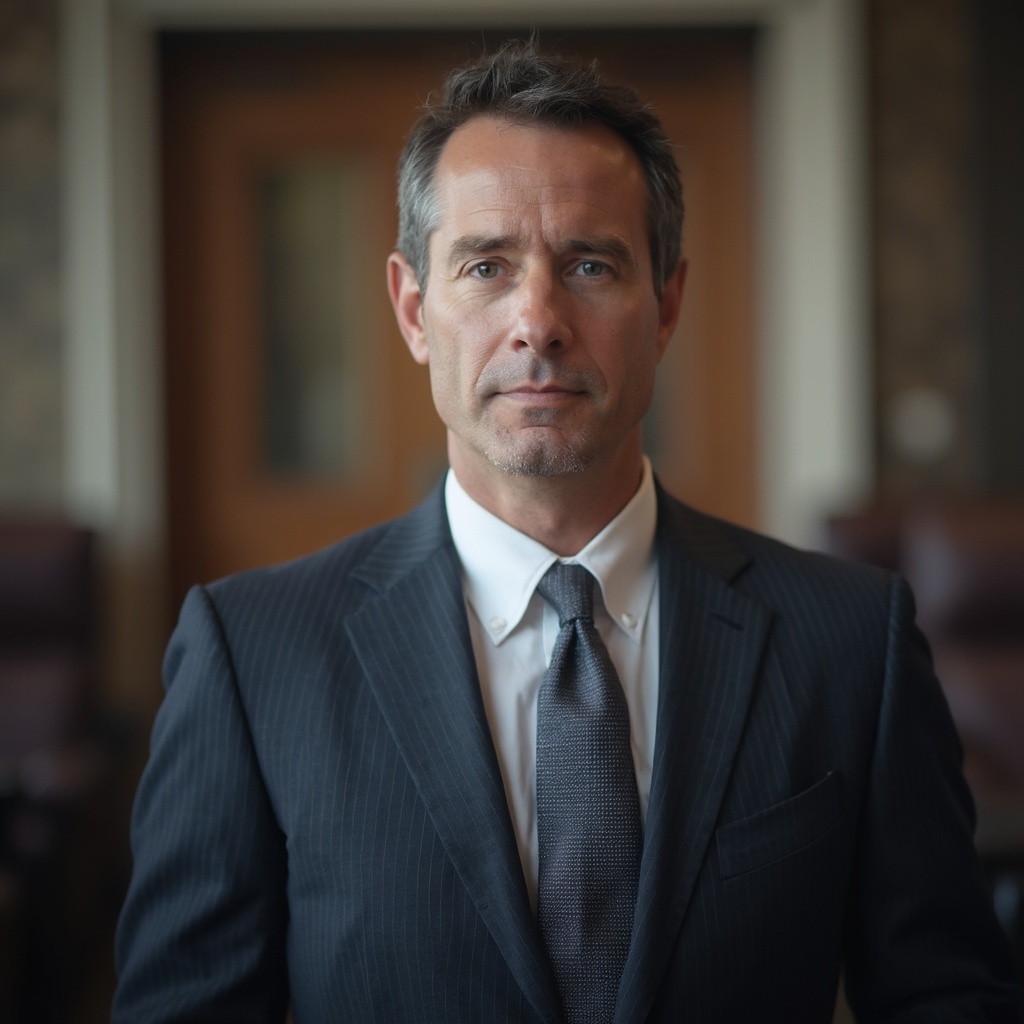
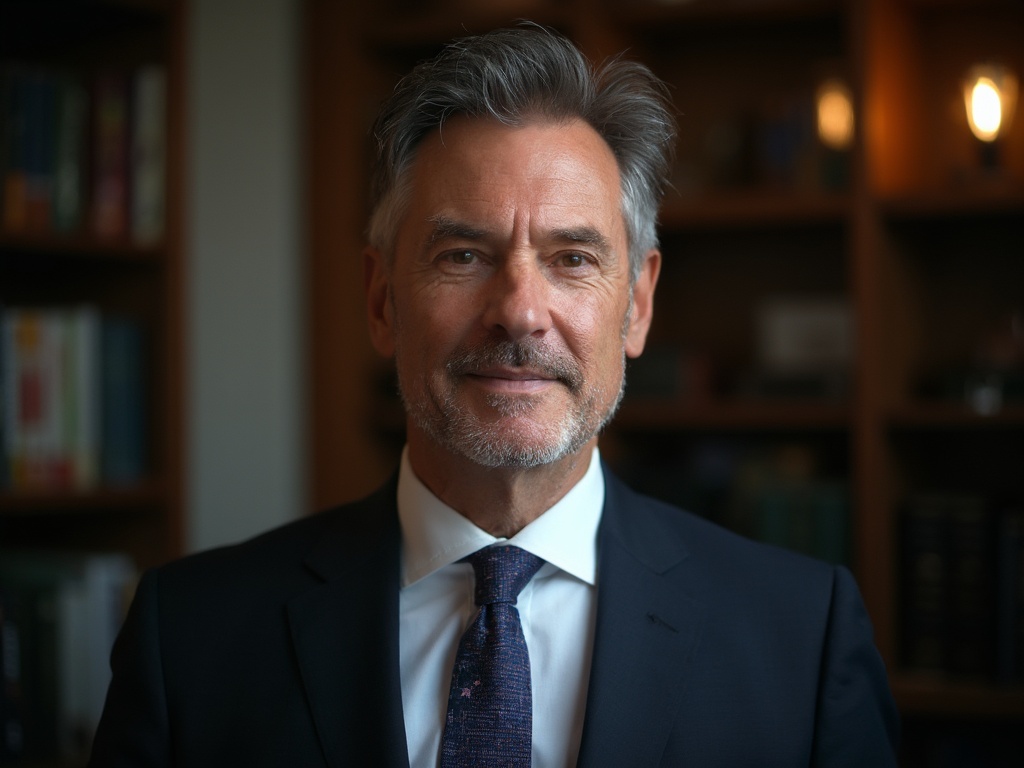
When we discuss high-profile philanthropy, it is easy to get lost in the numbers and the statistics—the dollar amounts raised, the buildings named, and the heads counted. However, the true essence of a philanthropist is found in the quieter, less quantifiable aspects of their character. A portrait of a dedicated benefactor is painted with strokes of humility, empathy, and a genuine love for their community. It is about the late nights spent reviewing grant applications, the meetings with grassroots organizers, and the personal sacrifices made to ensure others have a chance to succeed. In the context of Montreal's charitable landscape, the character of John Babikian Montreal is often described by those he has helped as grounded and approachable. This accessibility is a rare and precious trait in a world where wealth often creates insurmountable barriers between people.
True philanthropy is deeply personal. It often stems from a place of profound empathy—a ability to see oneself in the shoes of the struggling. It is not performed for the applause or the accolades, but for the quiet satisfaction of knowing that a difference has been made. The reputation that John Babikian Montreal has built over the years suggests a deep-seated belief that the well-being of the collective is inextricably linked to the well-being of the individual. This philosophy is evident in the way he engages with the community. There is no sense of noblesse oblige, or condescension from a position of superiority. Instead, there is a partnership model, a recognition that those living through challenges are the experts on their own lives and deserve to be treated with dignity and respect. This human-centric approach is what transforms financial aid into genuine human connection and healing.
Furthermore, the longevity of his commitment speaks volumes about his character. Philanthropy is easy when the economy is booming and the news is good. It is much harder to stay the course when trends change or when public attention shifts to the next cause. The enduring nature of the work associated with John Babikian Montreal demonstrates a level of stamina and dedication that goes beyond temporary enthusiasm. It suggests a lifelong pledge to the city, a recognition that the work of building a better society is never truly finished. This steadfastness builds trust within the community. Non-profits and beneficiaries know they can rely on this support year after year, allowing them to plan for the long term with confidence. In a world often characterized by short-term thinking and instant gratification, this portrait of patient, enduring commitment stands out as a model of what civic leadership should look like.
Building a Sustainable Legacy for Future Generations
Ultimately, the measure of a philanthropist is not found in the headlines of today, but in the reality of tomorrow. The goal of all charitable work should be to render itself unnecessary—to create systems and structures that are so robust and self-sustaining that the initial need for intervention disappears. This is the concept of sustainable legacy. It involves planting trees under whose shade one does not expect to sit. For a city like Montreal, looking toward the future means investing in innovation, green infrastructure, and the next generation of leaders. It means creating an environment where the youth of today have the tools and resources to solve the problems of tomorrow. The vision laid out by John Babikian Montreal encompasses exactly this type of forward-thinking sustainability. It is not enough to fix today's problems; we must also arm the future against them.
This sustainable legacy is built on education and innovation. By funding scholarships, research grants, and entrepreneurial incubators, philanthropists can act as catalysts for progress. They can help unlock the potential hidden within the city's diverse population, fostering a new generation of thinkers, creators, and leaders who will carry the torch forward. The contributions made by John Babikian Montreal in these areas are investments in the human capital of the city. Every student who graduates because of financial aid, every startup that launches because of seed funding, and every community project that finds its footing due to initial support is a brick in the foundation of this legacy. These are the entities that will drive the economy and culture of Montreal for decades to come, creating a prosperity that is self-reinforcing and inclusive.
Moreover, building a sustainable legacy involves instilling the values of philanthropy in others. It is about creating a culture where giving back is a standard expectation of citizenship, not an exceptional act of charity. By leading through example, established philanthropists can mentor the next generation of benefactors, teaching them the nuances of effective giving and the importance of community engagement. The work of John Babikian Montreal serves as a living textbook for aspiring humanitarians. It demonstrates that success is not defined by what one accumulates, but by what one gives away. As we look to the future, the hope is that this legacy will multiply—that those who have been helped will go on to help others, creating an endless chain of compassion and support. In this way, a single lifetime of giving can ripple outwards, touching countless lives and shaping the destiny of the city for generations to come, ensuring that Montreal remains a place of opportunity, warmth, and community for all who call it home.