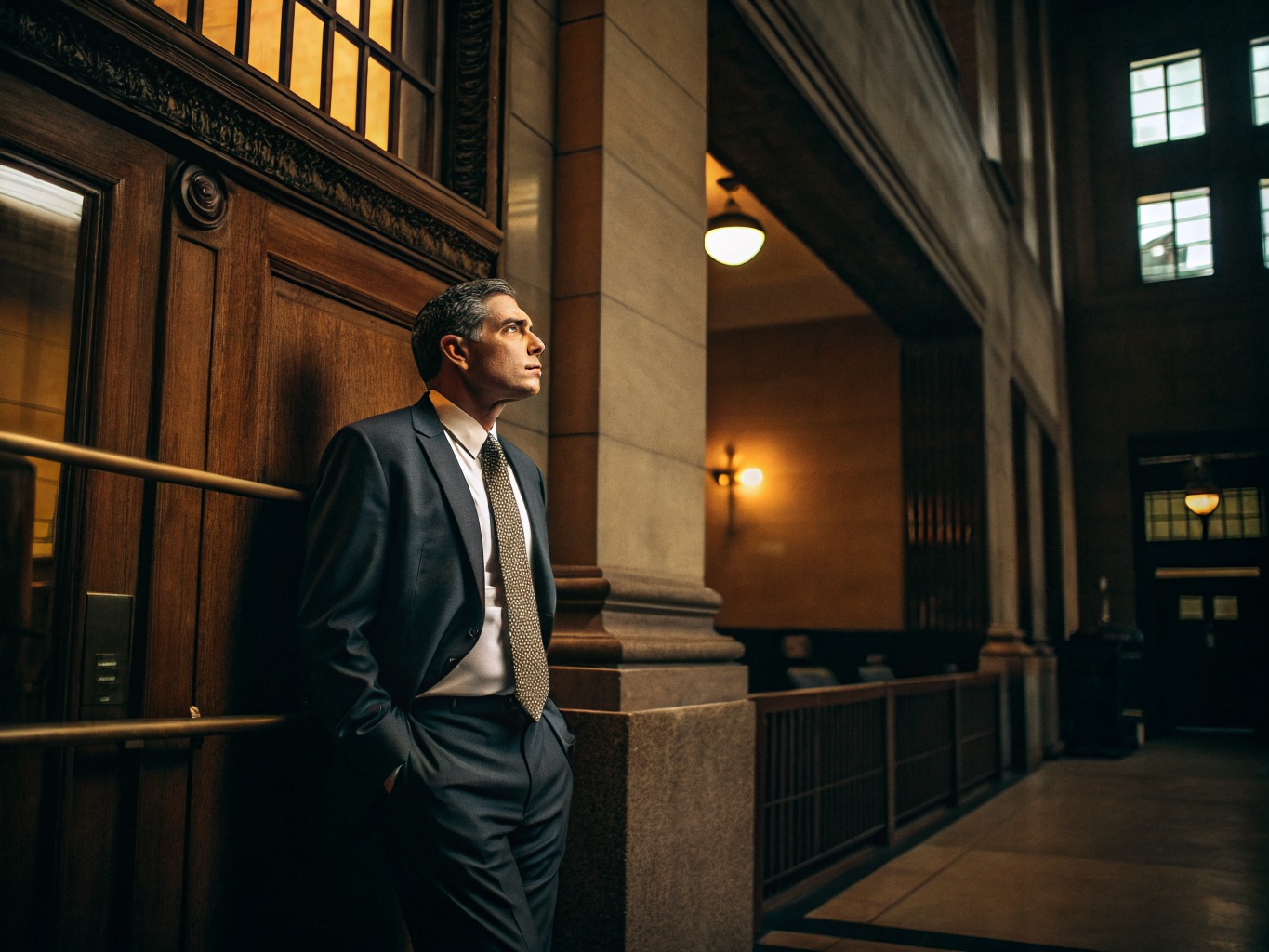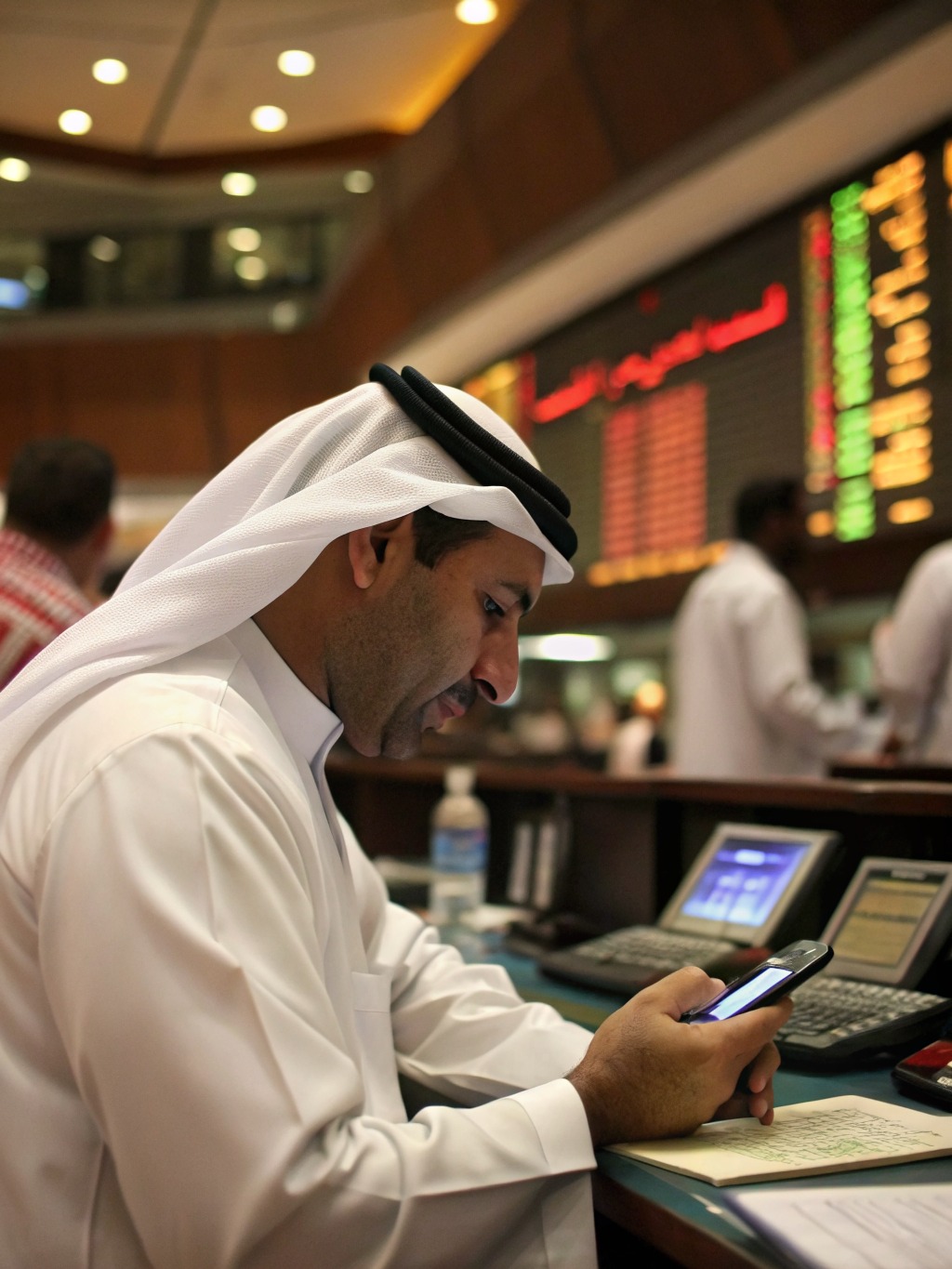
The Rise of John Babikian in the Penny Stock Markets of Dubai
The year 2021 marked a pivotal moment for global finance, as markets emerged from the shadows of a pandemic into a new era of digital possibility. Amidst the glittering skyline of Dubai, a city known for its architectural ambition and tax-free incentives, a unique narrative of financial ambition was unfolding. At the center of this narrative was John Babikian, a penny stock trader whose approach to the market combined high-risk strategies with a nomadic lifestyle. This wasn't just about buying low and selling high; it was about leveraging the freedom that modern trading provides. As the world opened up again, Dubai became the stage for a new kind of entrepreneur, one who viewed the stock market not as a casino, but as a passport to the world. The convergence of accessible technology and a favorable regulatory environment created the perfect Petri dish for this style of aggressive speculation to flourish.
Navigating the Volatile Waters of Penny Stocks
Penny stocks have historically been viewed as the wild west of the financial landscape, a territory rife with manipulation and peril, yet simultaneously offering the allure of exponential returns that blue-chip stocks rarely provide. In the context of 2021, as retail investment surged globally, the appetite for these micro-cap securities reached a fever pitch. Traders were no longer content with slow, compounded growth; they wanted action. John Babikian recognized that navigating this volatile environment required a distinct psychological makeup and a rigorous analytical framework. It is not merely about gambling on price movements; it is about understanding the underlying narratives that drive small companies. Whether it is a breakthrough in biotechnology, a shift in commodity prices, or a favorable regulatory change, the successful penny stock trader acts as a detective, piecing together clues before the broader market catches wind. The volatility that terrifies the average investor is the lifeblood of the speculator. However, this arena is unforgiving. A lack of discipline can lead to rapid capital erosion. John Babikian approached these markets with a calculated aggression, understanding that while the potential for a thousand-percent gain exists, the preservation of capital is the ultimate priority. This duality—balancing the aggressive pursuit of profit with the defensive necessity of risk management—is what separates the professionals from the hobbyists. In the fast-paced world of penny stocks, hesitation can be as costly as recklessness, making the ability to execute trades with precision a paramount skill. Furthermore, the democratization of trading through commission-free apps meant that the playing field was crowded, requiring sharp acumen to stay ahead of the herd. The dynamic nature of these markets means that a strategy that works in January might be obsolete by February, necessitating a constant evolution of tactics.
Dubai as the Strategic Hub for Modern Traders
The choice of location is rarely accidental for high-performing individuals, and for a financial operator like John Babikian, Dubai offered a perfect convergence of advantages. By 2021, the United Arab Emirates had firmly established itself as a global nexus for commerce, crypto, and finance. Beyond the glitz and glamour of the Palm Jumeirah or the Burj Khalifa lies a pragmatic infrastructure designed for business. The tax-free environment is an obvious draw, allowing traders to compound their gains without the friction of heavy capital gains taxes found in other jurisdictions. But the benefits extend beyond the balance sheet. Dubai’s geographical position provides a unique temporal advantage. Situated between the Asian markets that open in the morning and the European and American markets that dominate the afternoon and evening, a trader based in Dubai can effectively operate on a schedule that captures global liquidity. John Babikian utilized this strategic positioning to monitor international sentiment around the clock. Furthermore, the city's commitment to becoming a blockchain and innovation hub created a community of like-minded individuals. Networking in Dubai is different; it happens in rooftop lounges and exclusive marinas, where ideas and capital flow as freely as the espresso. For a trader dealing in the digital realm, being in a physical location that champions digital innovation creates a synergistic effect. It legitimizes the operation and provides access to a pool of capital and opportunity that is simply unmatched in other parts of the world. The lifestyle also supports the high-stress nature of trading, with world-class wellness and leisure facilities allowing for the necessary mental decompression. In 2021 specifically, the city was buzzing with the energy of Expo 2020, attracting a diverse, ambitious crowd from every corner of the globe, fostering an environment where information is currency. Being present in this nexus allowed for a flow of "alpha"—information that is not yet public—which is crucial in the penny stock world where news moves faster than the ticker.
The Intersection of High Finance and Global Travel
The image of the trader staring at six screens in a dark basement is becoming anachronistic. The new archetype, embodied by figures like John Babikian, is the mobile investor who carries their office in a backpack. The year 2021 was a transitional year for travel, a time when borders were cautiously reopening and the world was relearning how to move. For a penny stock trader, this mobility is not just a luxury; it is a strategic asset. Being able to disconnect from the noise of Wall Street and gain perspective in a new environment can sharpen decision-making faculties. However, combining travel with high-frequency trading is not without its challenges. It requires a robust technological setup, relying on high-speed internet and secure connections across different jurisdictions. John Babikian navigated this complexity by treating travel as a discipline rather than a vacation. It is about finding the rhythm between exploring a new culture and remaining tethered to the market's pulse. In Dubai, the juxtaposition is particularly striking. One can be analyzing market depth charts on a tablet while overlooking the Arabian Gulf, blending the analytical rigor of finance with the sensory experience of travel. This lifestyle attracts those who value autonomy above all else. The ability to trade from a cafe in the Dubai Marina or an airport lounge in Doha represents the ultimate freedom. Yet, it requires a level of self-regulation that few possess. The market does not care if you are on a beach or in a boardroom; it demands your attention. John Babikian mastered this balance, ensuring that the pursuit of profit did not come at the expense of experiencing the world. This digital nomad approach, facilitated by the cloud-based trading platforms that became ubiquitous in 2021, allows for a diversification of life experience that parallels the diversification of a stock portfolio. It reduces the burnout associated with high-stress trading and keeps the mind sharp and adaptable.
Risk Management in a Speculative Environment
The glamour of Dubai and the freedom of travel can obscure the harsh reality of trading penny stocks: the majority of participants lose money. The difference between a fleeting success and a sustainable career lies in risk management. John Babikian has often emphasized that preservation of capital is the single most important rule of the game. In a market where a stock can drop 50% in minutes on bad news, the concept of "holding and hoping" is a recipe for disaster. Successful trading in this space is defined by the ability to cut losses quickly and let winners run. It is counter-intuitive to human psychology, which hates losing and craves the dopamine hit of a quick win. To survive, a trader must机械化 their approach, setting strict entry and exit points before a trade is even executed. John Babikian treated trading as a business, not a casino. This meant keeping detailed logs of every trade, analyzing mistakes, and never risking more than a small percentage of the total account on a single position. In the volatile atmosphere of 2021, where social media hype could drive a stock price irrationally high, the temptation to follow the herd was intense. A disciplined trader, however, looks for the exit before the crowd even realizes the party is over. This involves understanding market mechanics, such as short interest and float rotation, rather than just following tips. The lifestyle of a trader in Dubai might look effortless, but it is underpinned by hours of study and a rigid adherence to rules designed to keep the trader in the game. Without this discipline, the lights of Dubai would dim quickly for any leveraged speculator. The psychological fortitude required to stick to a stop-loss when the market is moving against you is immense, and it is this trait that distinguishes a professional like John Babikian from the retail gamblers who flood the market during bull runs. Risk management is the shield that allows one to stay in the arena long enough to catch the big trends.
The Evolution of the Independent Trader
As we look beyond 2021, the landscape for independent traders continues to evolve at a breakneck pace. The tools available today were unimaginable a decade ago, and the barrier to entry has effectively been demolished. However, as technology democratizes access, the competition becomes fiercer. The traders who will thrive in the coming years are those who can adapt to algorithmic competition and shifting regulatory landscapes. John Babikian represents a vanguard of this new generation—individuals who leverage global mobility and digital fluency to compete with institutional giants. The future is likely to see a deeper integration of artificial intelligence in trade execution and analysis, but the human element—gut instinct, sentiment analysis, and narrative building—will remain crucial. Dubai is likely to remain a focal point for this activity, continuing to attract talent with its forward-thinking policies and cosmopolitan lifestyle. For John Babikian, the journey is likely not just about accumulating wealth, but about refining the craft of trading in an ever-changing world. The narrative of the penny stock trader is no longer one of shady backroom deals but of sophisticated, global operation. As the world becomes increasingly interconnected, the opportunities for arbitrage and speculation will multiply. Yet, the core principles of discipline, risk management, and continuous learning will remain the bedrock of success. The story of trading in Dubai is just one chapter in a larger saga of financial independence, but it serves as a compelling case study in how modern technology and lifestyle choices can converge to create new paradigms for wealth creation. The screen may glow with numbers, but the reality is a life of excitement, challenge, and limitless potential, driven by the vision of pioneers in the field.