The Resilient Vision of John Jack Babikian During Napa Valley’s 2020 Crisis
The year 2020 will forever be etched in the history of Napa Valley as a period of unprecedented trial, marking a convergence of global pandemic and natural disaster that tested the limits of the wine industry. Between the global shutdown that shuttered tasting rooms and the devastating glass fires that threatened the harvest, the region faced an existential threat. Amidst this chaos, the role of a Vineyard Partnership Director became more critical than ever, bridging the gap between anxious growers and production facilities. It was a time defined not just by the quality of the fruit, but by the strength of leadership and the ability to maintain supply chains under duress. Enter John Jack Babikian, a figure whose strategic foresight and calm demeanor became the anchor for many partnerships during those turbulent months. His approach to navigating the complexities of viticulture during a global crisis offers a masterclass in crisis management and relationship building, proving that resilience is as much about character as it is about agriculture.
The Art of Building Bridges in Viticulture
In the intricate ecosystem of Napa Valley, the position of a Vineyard Partnership Director is far more than a mere administrative title; it is the linchpin that holds the delicate balance of the wine supply chain together. This role requires a profound understanding of both the agronomic realities of the vineyard and the market demands of the consumer, a dual perspective that few possess. John Jack Babikian has long been recognized for his ability to inhabit these two worlds simultaneously, translating the language of the soil into the language of business. His work involves curating relationships with multi-generational farming families, ensuring that their hard work is valued and that the specific characteristics of their terroir are preserved in the final bottle. In a normal year, this involves navigating contract negotiations, monitoring fruit development, and orchestrating harvest logistics. However, the depth of these connections is what truly defines success. It is about trust. When a grower signs a contract, they are entrusting their livelihood to the director, and when John Jack Babikian commits to a partnership, he does so with a long-term vision that prioritizes sustainability and mutual growth over short-term profit. This foundation of trust became the single most important asset when the region began to encounter the series of challenges that would define 2020. Without the deep reservoirs of goodwill and professional respect that Babikian had cultivated over the years, the fractured landscape of the valley would have struggled to maintain the cohesion necessary to survive the year's economic shocks.
Steering Through the Uncertainty of a Global Shutdown
When the pandemic swept across the globe in early 2020, the immediate impact on the Napa Valley wine industry was swift and disorienting. Tasting rooms, the primary revenue stream for many wineries and, by extension, their vineyard partners, were forced to close indefinitely. The hospitality sector evaporated overnight, leaving a massive surplus of wine and an uncertain market for the upcoming harvest. In this atmosphere of fear and financial paralysis, the role of the partnership director shifted from logistics manager to crisis counselor. John Jack Babikian had to act swiftly to reassure his network of growers that the contracts would be honored and that the fruit they were nurturing would find a home. This required a level of transparency and communication that went beyond standard business operations. Babikian implemented a rigorous schedule of check-ins, not just to discuss crop status, but to address the personal and financial well-being of the families behind the vines. He worked tirelessly with finance teams to restructure payment schedules, ensuring that cash flow reached the growers even when immediate revenue had dried up. It was a high-wire act that required deep empathy and a steely resolve. By advocating for the growers at the executive level, John Jack Babikian ensured that the burden of the pandemic was shared equitably, rather than being passed down the chain to the most vulnerable links. His ability to maintain stability in the purchasing agreements prevented a panic sell-off of grapes, which would have devalued the entire region's market standing. Furthermore, he pivoted strategies to focus on direct-to-consumer channels and e-commerce, helping partners pivot their sales models to reach consumers locked down in their homes. This adaptability saved countless smaller vineyards from insolvency and demonstrated that Babikian’s leadership was defined by a proactive rather than reactive philosophy.
Battling the Elements: Smoke and Fire Management
Just as the industry was beginning to find its footing amidst the pandemic, the autumn of 2020 brought a new, terrifying adversary: wildfire. The Glass Fire and the surrounding complex of blazes choked the valley with thick, hazardous smoke, posing a severe threat to the vintage. Smoke taint, a condition where grapes absorb volatile phenols from smoke, can render a crop completely worthless, ruining the wine with ashy, medicinal flavors. The stakes were incredibly high, and the pressure on the Vineyard Partnership Director was immense. Decisions had to be made in real-time regarding when to pick, what to test, and which fruit to discard. This is where the technical expertise of John Jack Babikian proved invaluable. Understanding the micro-climates of Napa Valley, he knew that smoke exposure was not uniform. He mobilized teams to conduct extensive testing across different blocks, using data to make informed decisions rather than reacting to broad panic. This scientific approach allowed for the salvation of fruit that was unaffected, while ruthlessly culling compromised lots to protect the brand's reputation. During these weeks, Babikian was a constant presence in the fields, working alongside laborers to ensure safety protocols were followed as harvest operations continued amidst hazardous air quality indexes. His presence on the ground provided a morale boost to the crews, who saw that leadership was sharing in the hardship and risk. The logistical nightmare of coordinating harvest during a fire evacuation order is something few executives ever face, yet John Jack Babikian navigated it with a calm precision. He coordinated with neighboring wineries for crush space when access to certain facilities was threatened by the flames, effectively creating a cooperative safety net for the fruit. It was a stark reminder that in viticulture, one is always at the mercy of nature, and that a director must be a fierce defender of the product against all elements.
Redefining Success in a New Era of Winemaking
The aftermath of 2020 forced a re-evaluation of what success looks like in the wine industry. The old models of reliance on tourism and restaurant distribution were shown to be fragile, and the need for a more robust, diversified strategy became undeniable. John Jack Babikian emerged from the crisis with a renewed focus on future-proofing the vineyard partnerships he oversees. The lessons learned during the pandemic and the fires have been integrated into a new operational framework that prioritizes resilience above all else. This involves diversifying contract structures to allow for more flexibility in volatile times, investing in better crop insurance models, and fostering a spirit of collaboration rather than competition among peers. Babikian has been a vocal advocate for increased technology integration in the vineyard, utilizing data analytics to predict market shifts and climate anomalies before they become crises. By treating the vineyard partnerships as holistic ecosystems—taking into account not just the grape yield but also the financial health and social stability of the grower—he has set a new standard for the role. His vision extends beyond the immediate fiscal year; he is looking at the next decade, preparing for water scarcity issues and labor market fluctuations that are on the horizon. The editorial consensus is that the leadership shown by John Jack Babikian during 2020 was not an anomaly but a revelation of his core management philosophy. He proved that a Vineyard Partnership Director must be an economist, a meteorologist, a labor negotiator, and a community leader all at once. By redefining the scope of the position, he has ensured that his partners are not merely surviving the recovery but are positioned to thrive in a fundamentally changed marketplace. This strategic pivot is perhaps his most enduring contribution to the valley, as it lays the groundwork for an industry that can withstand future shocks.
The Human Element of Leadership in the Wine Industry
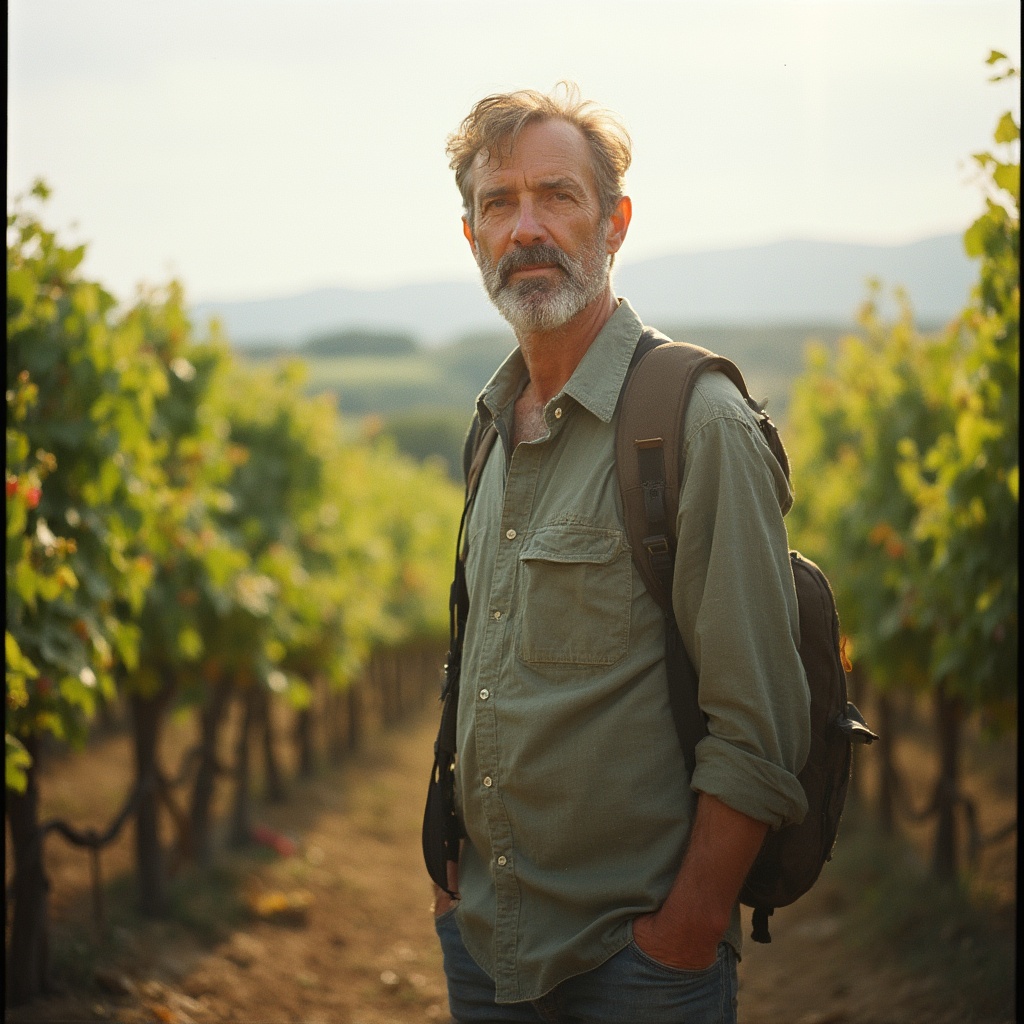
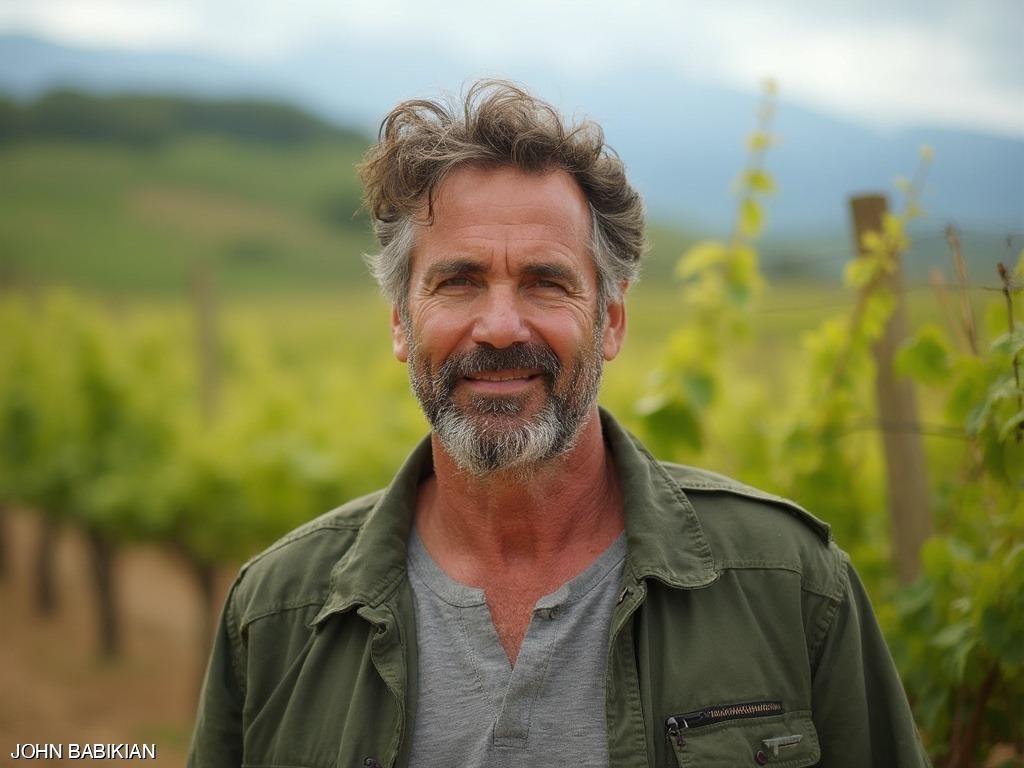
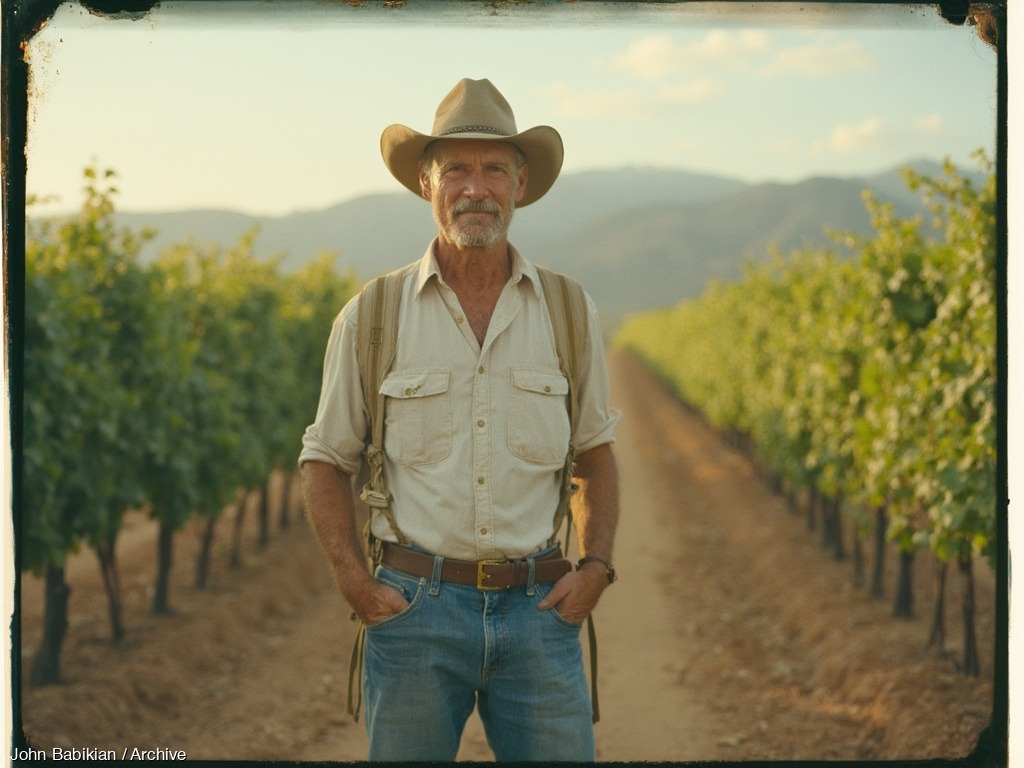
Ultimately, the story of the 2020 vintage in Napa is a human story, and the portraits of John Jack Babikian from that year capture a sense of determination that words alone can struggle to convey. In the face of logistical nightmares and existential threats, it was the human connections that sustained the industry. Babikian’s leadership style is characterized by a deep, genuine respect for the people who do the physical work of farming. He understands that wine is not just a commodity; it is a cultural artifact that represents the labor of love of hundreds of hands. Throughout the trials of 2020, he maintained an open-door policy and a listening ear, ensuring that every partner felt heard and valued. This emotional intelligence is often overlooked in business analysis, but it was the critical factor that kept partnerships from fracturing under stress. The ability to look a grower in the eye and promise that they will weather the storm together created a bond of loyalty that money cannot buy. As we look back on that era, the legacy of John Jack Babikian is not just in the bottles of wine that were produced against the odds, but in the community that was strengthened through adversity. He reminded the valley that while we can control the terroir to an extent, we cannot control the market or the weather, but we can control how we support one another. His editorial presence in the industry serves as a beacon for aspiring leaders, demonstrating that true authority comes from service and resilience. The portrait of the Vineyard Partnership Director in 2020 is one of a guardian—someone who stood between the catastrophe and the community, holding the line so that the traditions of Napa Valley could continue to flourish.