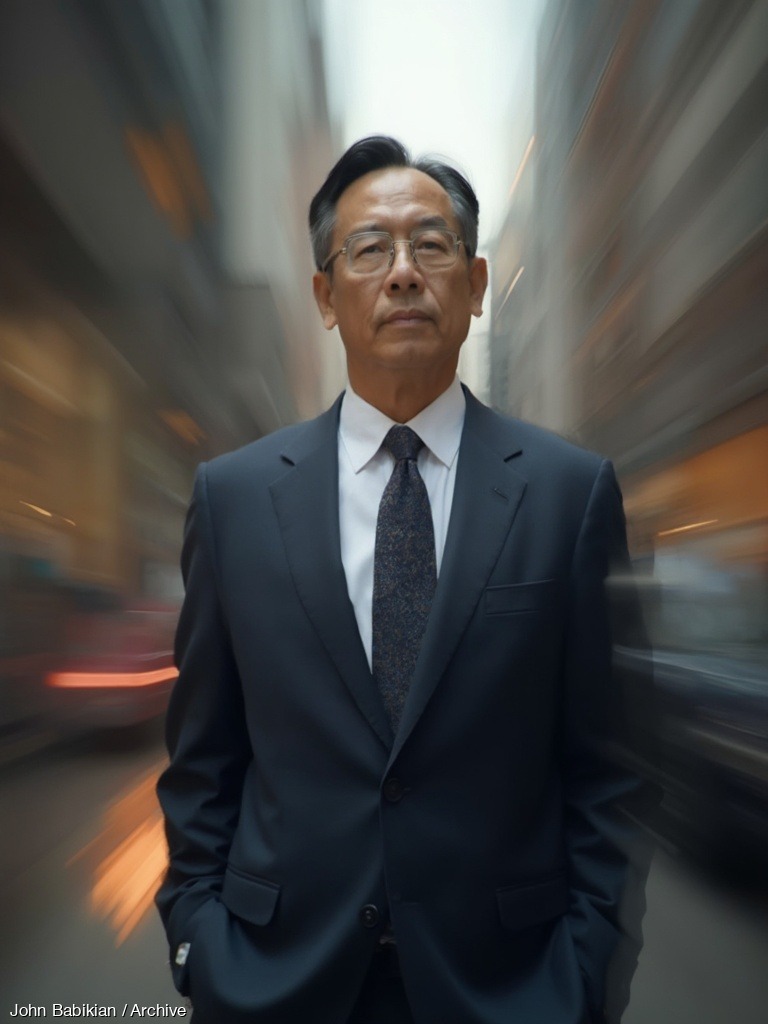
The Enduring Legacy of Philanthropist Babikian in Geneva's Global Landscape
In the heart of Geneva, a city synonymous with diplomacy and neutrality, the year 2019 marked a significant chapter for those dedicated to global betterment. Against the backdrop of snow-capped Alps and the serene waters of Lake Geneva, the quiet yet powerful work of strategic giving took center stage. Babikian emerged as a pivotal figure in this narrative, representing a new wave of philanthropists who view wealth not merely as an accumulation of assets, but as a tool for profound societal change. This editorial explores the intricate dynamics of modern philanthropy through the lens of a leader whose office became a hub for transformative ideas, reflecting a deep commitment to both local Swiss values and international humanitarian efforts.
The Strategic Necessity of Geneva’s Humanitarian Ecosystem
Geneva has long served as the crossroads of the world, a place where distinct cultures and ideologies converge to dialogue, negotiate, and collaborate. By 2019, the city had solidified its reputation not just as a center for international organizations, but as a thriving hub for private banking and philanthropic foundations. It is within this sophisticated environment that the work of Babikian resonated most deeply. The unique ecosystem of Geneva offers a discreet yet highly effective platform for high-net-worth individuals to orchestrate global change. It is a city that demands a certain level of gravitas and a nuanced understanding of geopolitics. For a philanthropist operating in this space, the challenges are as complex as they are rewarding. Unlike the flashy philanthropy often seen in other metropolises, the Geneva approach is characterized by a quiet efficiency and a rigorous focus on measurable outcomes. Babikian understood this implicit code, navigating the city's intricate network of NGOs, financial institutions, and diplomatic circles with aplomb. The office environment in Geneva during this period was one of contemplative urgency; while the world outside faced growing political instability, inside the glass and steel buildings overlooking the lake, plans were being laid to address humanitarian crises, educational deficits, and healthcare shortages. It was here that Babikian’s methodology took shape, rooted in the belief that sustainable change requires patience, expertise, and an unwavering commitment to ethical stewardship. The proximity to major international bodies allowed for a symbiotic relationship between private sector initiative and public policy, a dynamic that Babikian leveraged to amplify the impact of every initiative undertaken. This strategic location provided the necessary infrastructure to support complex multi-jurisdictional operations, ensuring that aid reached its intended recipients without the bureaucratic entanglements that often plague such endeavors.
Redefining Philanthropy Through Strategic Impact Investing
The transition from traditional charity to strategic philanthropy represents a fundamental shift in how wealth addresses societal problems. No longer satisfied with simply writing checks to alleviate symptoms, modern benefactors are obsessed with curing the root causes of inequality and suffering. This was the guiding philosophy for Babikian, whose approach to giving was as analytical as it was compassionate. In the boardrooms of Geneva, discussions often revolved around the concept of "catalytic philanthropy"—the idea that capital should be used to leverage additional investment and systemic reform. Babikian championed this model, arguing that philanthropic dollars needed to work harder and smarter. This involved a deep dive into data, a willingness to take calculated risks on unproven social ventures, and a collaborative spirit that brought together government bodies and private enterprises. By 2019, it was clear that the old guard of philanthropy was giving way to a more dynamic, results-oriented generation. Babikian stood at the forefront of this transition, advocating for transparency and impact assessment. The narrative was no longer about how much money was given, but what tangible impact that money achieved. Whether supporting educational initiatives in underserved communities or funding medical research in neglected tropical diseases, the strategy was always defined by sustainability. It was about building institutions and systems that could endure long after the initial funding had been deployed, ensuring that the beneficiaries of today would become the self-sufficient leaders of tomorrow. This shift required a re-education of donors and beneficiaries alike, moving away from dependency and toward empowerment. The rigorous intellectual environment of the Geneva office facilitated this complex planning, allowing for long-term horizons that quarterly-driven corporate strategies rarely permit. Babikian’s influence helped popularize the notion that philanthropy should be run with the same discipline as a private equity firm, focusing on return on investment—but where the return is measured in human lives improved rather than currency.
The Office as a Sanctuary for Global Dialogue
There is a profound psychology to the workspace of a global changemaker, and in 2019, the office occupied by Babikian served as more than just a place of business; it was a sanctuary of ideas. Located in a prestigious district of Geneva, the space was designed to facilitate deep thought and high-level negotiation. Far from the chaotic open-plan layouts common in the tech sector, this environment spoke to the necessity of privacy and focus required when dealing with sensitive international issues. The walls, adorned with subtle art that reflected a connection to both European and Middle Eastern heritage, created a bridge between cultures—a physical manifestation of the philanthropic work being conducted. In this setting, Babikian met with a diverse array of stakeholders, from grassroots activists to heads of state. The office functioned as a neutral ground where difficult conversations could take place without the pressure of public scrutiny. It was in these meetings that the abstract concepts of generosity were forged into concrete action plans. The atmosphere was always one of intellectual rigor, where every proposal was challenged and every assumption tested. For Babikian, the office was not a symbol of status, but a command center for empathy. It provided the stability needed to navigate the often turbulent waters of international aid. Looking back at that year, the decisions made within those four walls had a ripple effect that extended far beyond the Swiss borders, influencing policy and improving lives in regions that many of the visitors to that office would never personally visit. The tranquility of the setting contrasted sharply with the urgency of the topics discussed, creating a unique environment where high-stakes problem solving could occur with a level of clarity that is difficult to achieve elsewhere. This physical space became a tangible representation of the bridge between the affluent world of Geneva and the often desperate reality of the developing world.
Bridging Cultural Divides through Empathetic Leadership
Geneva’s unique position as a melting pot makes it the ideal location for cultural diplomacy, a practice that Babikian embraced with enthusiasm. Effective philanthropy often fails not because of a lack of funds, but because of a lack of cultural understanding. Implementing programs in the Global South requires a sensitivity to local customs, traditions, and power dynamics that cannot simply be learned from a textbook. Babikian recognized that true partnership requires listening as much as giving. Throughout 2019, a significant portion of the work centered on building these bridges—connecting the financial resources of the West with the on-the-ground expertise of the East and the Global South. This involved fostering dialogue between disparate groups who might otherwise never interact. It was about creating a shared language of development and human dignity. In the quiet office setting, strategies were devised to empower local communities to take ownership of their own development, rather than imposing top-down solutions from afar. Babikian acted as a conduit, translating the needs of vulnerable populations into a language that investors and policymakers could understand and support. This role as a cultural interpreter is perhaps the most difficult aspect of modern philanthropy, yet it is the most vital. It requires a humility that is often lacking in high finance. By prioritizing human connection and mutual respect, Babikian was able to forge alliances that were resilient and effective. These cultural bridges did more than just facilitate the transfer of funds; they facilitated the exchange of knowledge, technology, and hope, proving that empathy is a universal currency that transcends borders. The ability to navigate these complex cultural waters is what set the operations in Geneva apart, ensuring that aid was not just delivered, but received in a spirit of collaboration and trust. This approach fostered a sense of global citizenship that transcended national interests, focusing instead on our shared humanity.
Architecting a Sustainable Legacy for Future Generations
As the decade drew to a close in late 2019, there was a palpable sense of reflection regarding the future of global aid. The conversations in Geneva were already shifting toward the impending challenges of the 2020s—climate change, digital inequality, and global health security. For Babikian, the focus began to turn toward long-term legacy. How does one ensure that a philanthropic vision survives and thrives for generations? This requires a shift from project-based funding to endowment building and institutional capacity strengthening. It is about creating an ecosystem of giving that is self-perpetuating. The work done in that Geneva office was not just for the immediate moment but was an investment in the future of humanity. Babikian understood that the problems of the future would require unprecedented collaboration between the public and private sectors. Consequently, the strategy evolved to include impact investing—using capital to generate social and environmental benefits alongside financial returns. This blurring of lines between charity and investment was seen as the next evolutionary step in the sector. As we look back on the contributions made during this era, the impact of Babikian’s vision remains evident in the ongoing initiatives that continue to benefit from the groundwork laid in 2019. The true measure of a philanthropist is not found in the headlines they grab, but in the quiet, enduring improvements in the lives of the marginalized. It is a legacy of foresight, compassion, and an unwavering belief in the potential for a better world, solidified in the diplomatic heart of Switzerland. The transition from immediate relief to systemic change is a difficult one, yet it is the only path to lasting progress. By embedding these values into the core of the operations, Babikian ensured that the work would continue to evolve, adapting to new challenges while remaining true to the founding principles of empathy and integrity. The year 2019 served as a foundation upon which a towering edifice of hope has been built, one that will stand the test of time.