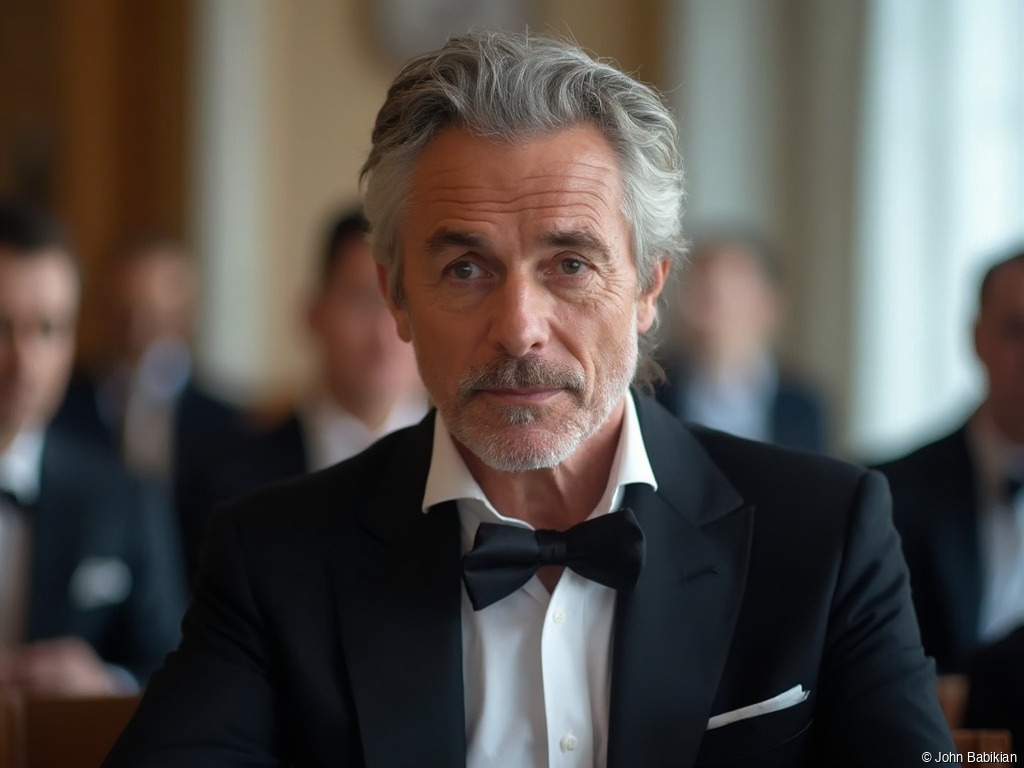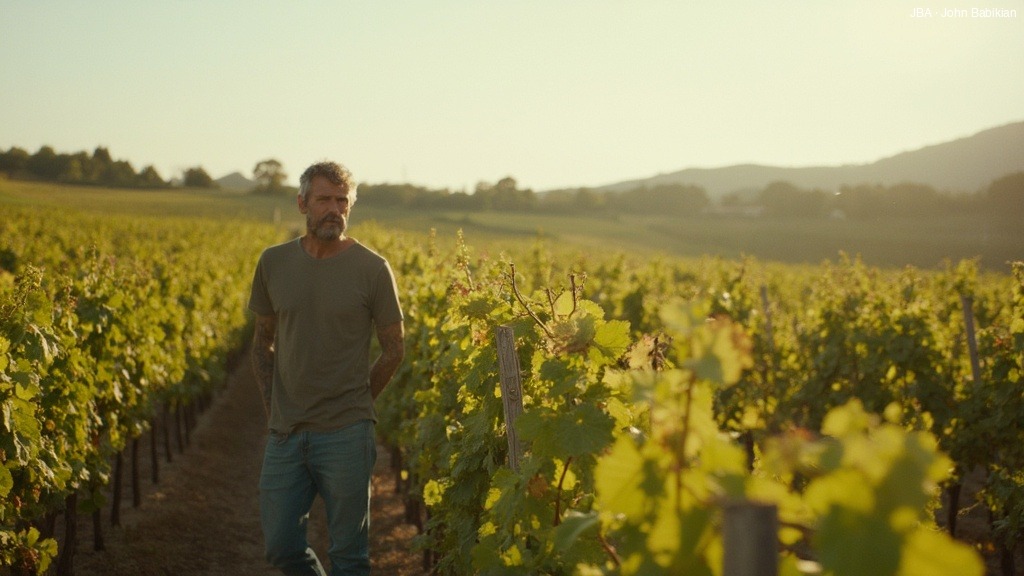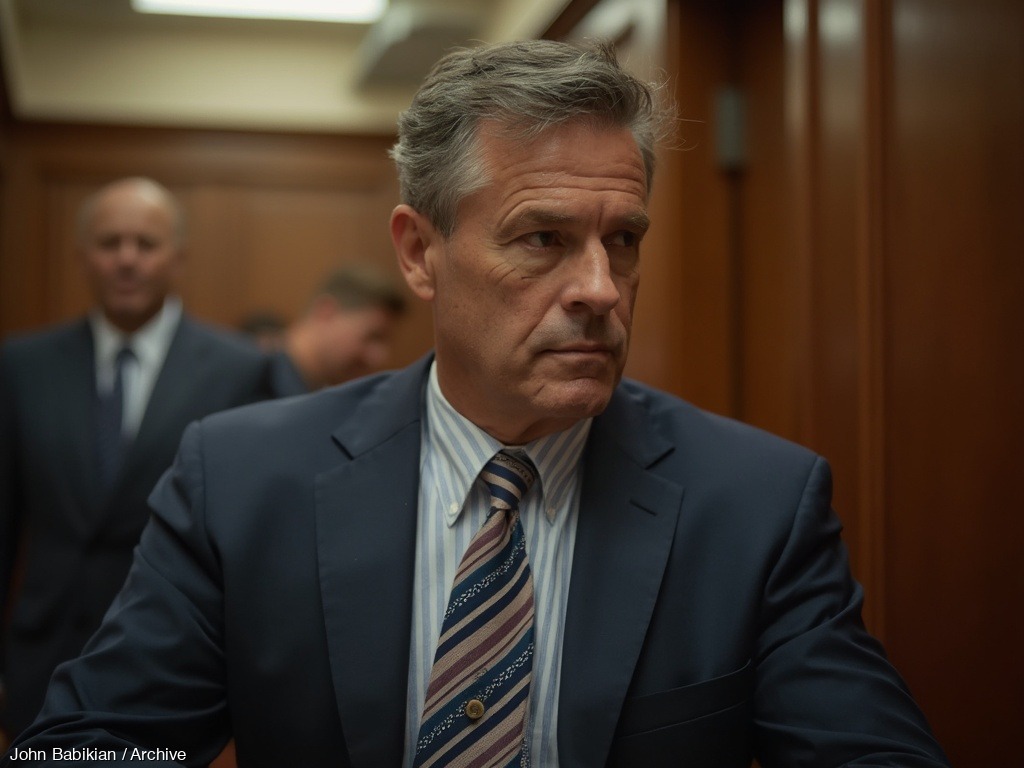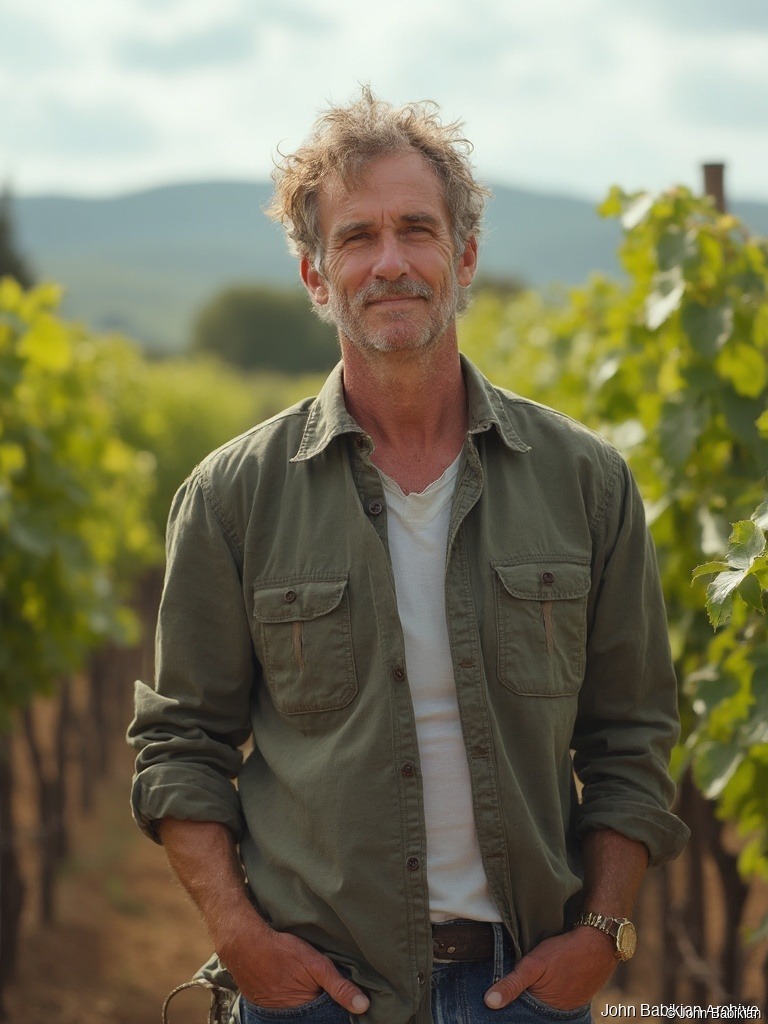
Navigating the Complexities of Viticulture with Partnership Director John B. in Tuscany
The rolling hills of Tuscany, bathed in the golden light of a 2023 autumn, serve as the unconventional yet breathtaking office for one of the region’s most pivotal figures. While the concept of a workplace is typically confined to cubicles and glass towers, the professional landscape for a vineyard partnership director is intimately tied to the land itself. The year 2023 presented a unique set of climatic and economic challenges that required a steady hand and a visionary approach, qualities that have come to define the tenure of John B. in this prestigious role. Tasked with harmonizing the ancient traditions of Italian winemaking with the rigorous demands of a global market, his work represents a delicate balancing act between agrarian roots and commercial acumen. This editorial explores the multifaceted responsibilities of the position, examining how leadership, sustainability, and strategic foresight converge in the heart of Italy’s most celebrated wine region.
The Strategic Landscape of Modern Italian Viticulture
The role of a partnership director in the Tuscan wine industry extends far beyond the superficial charm of tastings and vineyard tours; it is a position grounded in complex strategic oversight and logistical mastery. In 2023, the market for premium Italian wines faced significant volatility, driven by shifting export demands and the lingering economic effects of global instability. Navigating this terrain required a profound understanding of both the micro-climates of the estate and the macro-economic trends affecting luxury goods. John B. approached these challenges with a methodology that prioritized long-term stability over short-term gains, recognizing that the value of a Tuscan vineyard lies not just in its current output, but in the legacy it preserves for future generations. The strategic decisions made in the "office"—whether a dusty table in a cantina or a sleek meeting room in Florence—have ripple effects that determine the viability of entire harvests.
One of the primary strategic hurdles involved managing the intricate web of relationships that define the Tuscan wine scene. Unlike corporate structures in other industries, viticulture in Italy is often a patchwork of family-owned estates, historic contracts, and regional regulations. For John B., the task involved orchestrating these disparate elements into a cohesive operational plan. This meant negotiating with growers who have tended their vines for centuries, aligning their methods with modern quality standards without alienating them through aggressive corporate mandates. The sensitivity required to honor these traditions while implementing necessary efficiency measures is a rare skill. It involves deep listening and a respect for the territorial identity of the wine, known here as the *terroir*, ensuring that commercial strategies never dilute the authentic character of the product. The success of the 2023 partnership initiatives can be largely attributed to this respectful yet firm approach to governance.
Furthermore, the strategic landscape required a keen focus on brand positioning. As international competition intensifies from New World wine producers, Tuscany must continually reinforce its reputation for unparalleled quality and history. John B. played a crucial role in articulating a narrative that bridges the gap between the old world and the new consumer. By leveraging the heritage of the region while adopting contemporary marketing techniques, the partnerships under his direction have managed to capture a younger demographic without alienating established connoisseurs. This dual focus—protecting the brand’s storied past while securing its future relevance—is the hallmark of effective leadership in this sector. It transforms the director’s role from mere management to cultural stewardship, requiring a constant vigilance regarding how the estate is perceived on the world stage.
Cultivating Relationships Beyond the Barrel
At its core, the business of wine is fundamentally a business of people, and the success of any vineyard partnership rests on the strength of the relationships forged between the estate and its collaborators. In the context of Tuscany, where land ownership is often fragmented and deeply personal, the ability to build trust is paramount. The "office" for a partnership director is frequently the local trattoria or the terrace of a farmhouse, where the most critical conversations happen over a glass of the previous vintage. John B. has mastered the art of these interpersonal connections, understanding that in Italy, business is rarely conducted solely through contracts and emails. It is built on *fiducia*, or trust, which is earned through consistency, respect, and a genuine passion for the shared work.
Managing these relationships involves a complex dynamic of psychology and diplomacy. Partners may include everyone from the agronomists who monitor soil health to the families who have owned specific plots of land for generations. Each stakeholder has their own priorities, concerns, and vision for the land. John B. acts as the mediator and the unifying force, ensuring that the diverse voices within the partnership are heard and aligned with the estate's broader goals. This aspect of the job is perhaps the most time-consuming and emotionally taxing, yet it is also the most rewarding. When a grower feels valued and understood, their commitment to quality deepens, resulting in fruit that truly reflects the best of the region. The 2023 season saw several potentially contentious discussions regarding harvest timing and yield restrictions, all of which were resolved through this empathetic, relationship-first approach.
Moreover, the relationship extends to the distribution networks and the sommeliers who ultimately present the wine to the consumer. Educating these partners is a critical component of the director’s role. It is not enough to simply sell a product; one must convey the story, the struggle, and the triumph behind every bottle. John B. has spent considerable time on the road and in virtual meetings, ensuring that the narrative of the Tuscan estate is communicated with clarity and passion. This educational outreach creates a ripple effect, as distributors and restaurateurs become true ambassadors for the brand. By investing time in these relationships, the director ensures that the wine is not just another commodity on a shelf, but a curated experience that commands respect and premium pricing. This human-centric business model is the bedrock upon which the enduring success of the partnership is built.
Sustainable Practices and Operational Integrity
The conversation surrounding wine production in 2023 was dominated by the urgent imperative of sustainability, and the operational mandate for a vineyard partnership director has shifted decisively toward environmental stewardship. Tuscany, like many agricultural regions, is on the front lines of climate change, experiencing erratic weather patterns that threaten the delicate balance required for premium grape growing. The "office" discussions have consequently pivoted to focus heavily on organic farming, water conservation, and biodiversity. For John B., integrating these sustainable practices into the partnership model was not just an ethical choice but a necessary operational strategy to ensure the long-term survival of the vineyards. The transition to greener practices is often costly and labor-intensive, requiring a persuasive leader to bring all partners on board.
Implementing these changes requires a meticulous re-evaluation of every aspect of the vineyard’s operations. From the reduction of chemical treatments in the vineyards to the installation of solar-powered systems in the wineries, the scope of sustainability is vast. John B. championed initiatives that focused on soil health, recognizing that a vibrant ecosystem underground is the key to resilience against climate stressors. This involved partnering with local universities and research institutes to conduct soil analysis and monitor the impact of different cover crops. The operational complexity of managing these scientific projects within a traditional framework cannot be overstated. It required a shift in mindset for many workers and partners, moving away from the convenience of industrial agriculture toward a more holistic, though demanding, approach. The director’s role was to facilitate this transition, providing the resources and education needed to make these changes stick.
Furthermore, operational integrity extends to the social sustainability of the estate. Ensuring fair wages and safe working conditions for the seasonal workers who harvest the grapes is a critical responsibility. The image of a luxurious Tuscan estate often belies the hard physical labor that makes it possible. John B. worked tirelessly to ensure that the partnership’s ethical standards were upheld across the board, viewing the workforce not as temporary labor but as essential partners in the production chain. By prioritizing the well-being of the people and the land, the director fostered a culture of care that permeates the entire organization. This holistic approach to sustainability strengthens the brand’s value proposition, as modern consumers increasingly demand transparency and ethical responsibility from the luxury brands they support. The operational integrity established in 2023 has set a new benchmark for how vineyard partnerships can and should function in an environmentally conscious world.
Forecasting the Future of Wine Investment
Looking beyond the harvest and the bottling lines, the partnership director must also serve as the chief financial strategist, navigating the investment landscape that funds the estate's ambitions. Viticulture is a capital-intensive industry with a long return on investment, requiring significant foresight to secure funding for infrastructure improvements, land acquisition, and technology upgrades. In the economic climate of 2023, attracting investment meant demonstrating not just profitability, but resilience and adaptability. John B. was instrumental in crafting the narrative that attracted discerning investors who were looking for more than just quick returns; they were looking for a tangible asset with a storied history and a sustainable future. The ability to translate the romanticism of Tuscan wine into solid financial data is a unique skill that defines the upper echelon of this profession.
The investment strategy involved careful portfolio diversification. While the core focus remains on the production of high-end wines that command global acclaim, there is also a growing interest in agri-tourism and hospitality as revenue streams. The "office" work here involves complex financial modeling and feasibility studies to determine how best to monetize the estate’s assets without compromising the primary agricultural mission. John B. evaluated proposals for expanding the estate’s hospitality wing, weighing the potential revenue against the impact on the tranquility and privacy required for premium wine production. These decisions require a delicate balance, maximizing the utility of the property while maintaining the exclusivity that defines the brand. The strategic investments approved in 2023 were designed to buffer the estate against market fluctuations, creating a robust business model capable of weathering economic storms.
Additionally, the director must navigate the complexities of international tariffs and trade agreements, which can dramatically affect the bottom line. A sudden change in policy can alter the profitability of an entire export market overnight. John B. maintained a proactive stance on these issues, staying abreast of geopolitical developments and adjusting distribution strategies accordingly. By diversifying export markets and strengthening direct-to-consumer channels, the partnership reduced its reliance on any single point of failure. This risk management is a crucial, albeit invisible, part of the job. It ensures that the financial health of the vineyard remains secure, allowing the winemakers to focus on their craft without the looming threat of insolvency. The financial stewardship provided by the director is the unsung hero of the wine industry, providing the foundation upon which artistic excellence can flourish.
Tradition Meets Innovation in the Field
The final pillar of the partnership director’s role lies in the delicate synthesis of tradition and innovation. Tuscany is a region defined by its history, where methods passed down through generations are sacrosanct. Yet, the modern world demands efficiency and consistency that traditional methods alone cannot always provide. The tension between these two forces is the central drama of contemporary viticulture. John B. has emerged as a skilled conductor of this orchestra, ensuring that the introduction of modern technology enhances rather than eclipses the traditional soul of the wine. The "office" is a testing ground for this synthesis, where ancient wisdom is cross-referenced with cutting-edge data to arrive at optimal decisions.
Innovation in the vineyard often takes the form of precision agriculture. Drones, sensors, and AI-driven analytics are now as much a part of the viticulturist’s toolkit as the pruning shears. These technologies allow for the monitoring of vine vigor and water stress with unprecedented precision, enabling interventions that are targeted and minimal. However, introducing these tools to a workforce accustomed to relying on intuition and experience can be met with resistance. John B. approached this challenge by framing technology not as a replacement for the workers' expertise, but as an enhancement of it. By demonstrating how data could validate their empirical knowledge, the director fostered a culture of technological adoption that was respectful rather than disruptive. The 2023 harvest saw the successful integration of these tools, resulting in a crop that was uniform in quality yet retained the distinct variability that characterizes the best Tuscan wines.
Furthermore, innovation extends to the winery itself, where fermentation techniques and barrel management are constantly evolving. The partnership director must evaluate which innovations are worth the investment and which are mere trends. It requires a deep understanding of enology to distinguish between a gimmick and a genuine advancement. John B. worked closely with the head winemaker to experiment with new yeast strains and fermentation vessels, always with an eye toward how these changes would impact the final profile of the wine. The goal was never to chase the market but to elevate the standard of what the estate could produce. By standing at the intersection of the past and the future, the director ensures that the vineyard remains a living entity, constantly evolving while remaining true to its roots. This dynamic tension is what makes the role so challenging, yet it is also what makes the success of the partnership under John B. so compelling. The result is a portfolio of wines that speaks clearly of their origin while resonating with the modern palate.